
Choosing a tattoo spot that feels right on your body
You keep opening your camera roll, scrolling through screenshots, then stopping at the same thought: “Where would this actually go?”
You picture it on your wrist. Then your forearm. Then higher up the arm so you can hide it at work. Every arm tattoo spot looks good on someone online, but you are not sure how that translates to your body, your job, your pain tolerance.
Maybe this is your first piece and you want the best first tattoo placement so it feels like a good start that gives you room to grow. Maybe you already have tattoos and you are trying to plan the next one without crowding what is there.
You have probably searched tattoo placements, pain charts, “where hurts the most”, “where can I hide a tattoo”, and gotten a mix of opinions that do not line up. Friends tell you different things. Reddit says something else. You want one clear answer for you, based on your body and your life.
That is where a proper placement conversation matters.
What actually affects tattoo placement
Placement is not random. Where a tattoo sits comes down to a few real things: the shape of your body, how the skin moves, how exposed the area is, and how visible you want it day to day.
On the arms, spots like the outer forearm, upper arm and shoulder cap have thicker skin and fewer nerve endings on the surface, so they usually feel more manageable and age well. Inner arm, wrist and elbow can feel sharper because the skin is thinner or the nerves sit closer to the surface. Areas that bend and stretch a lot, like wrists or inside elbows, also take more friction from clothes, watches and daily movement, so fine line work there needs more care over time.
Sun and friction are a big part of fading. A forearm tattoo that sees a lot of sun will lighten faster than one high on the arm under a sleeve. A tiny piece right on a wrist crease will look different in a few years than the same design a little higher where the skin does not fold as much.
All of that is before you even get into meaning. A name over the heart, a realism piece on a visible forearm, a small tattoo placement you can keep for yourself on the ribs or upper inner arm. Where you put the design changes how it feels every time you look at it.
A simple guide to common tattoo spots
This is not a full tattoo placement pain chart, but it gives you an honest sense of how different areas tend to feel and age.
Arm tattoo placements
Outer forearm Clean canvas, good for fine line and realism tattoos. Easy to see yourself, easy for others to see. Sun exposure is the main thing to think about here. If you are in Toronto and outside a lot, you will want to be serious about sunscreen.
Inner forearm A little more sensitive than the outer side for most people. Less sun, more protected at work if you wear long sleeves. Nice place for script, names and pieces you want to look at often.
Upper arm (outside) One of the most forgiving arm tattoo spots. Muscles and thicker skin take detail well. Great for medium to large pieces and for sleeves that might grow later.
Upper arm (inside) Usually more tender than the outside, and more private. Good if you want something you can show when you choose.
Wrist A strong spot visually and a common first tattoo placement. It is also bony and gets a lot of movement and friction from watches and clothing, so lines can soften faster over time. Fine line wrist tattoo placement needs realistic expectations about aging and touch-ups.
Elbow and ditch (inside elbow) Often rated higher on the pain scale. The joint moves a lot and the skin is thinner or stretched. I am honest about this during a consultation so you know what you are walking into.
Other popular placements
Collarbone and shoulder Visible with certain tops, easy to cover with others. Some people feel this more because of the bone, some find it manageable. Good for pieces that follow the line of the body.
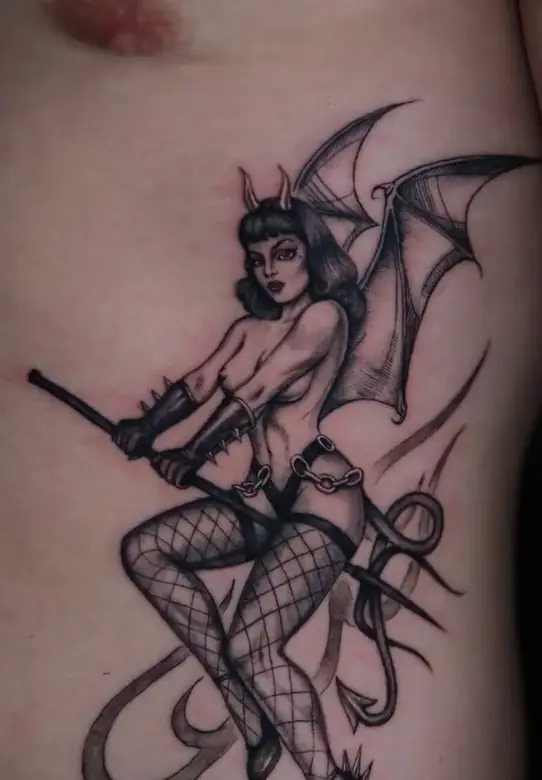
Ribs and side of torso Higher on most pain charts. Moves with breathing and can feel sharp. Often chosen for pieces that are personal or easy to hide at work.
Back Large canvas. Upper back and shoulder blades are common spots for bigger blackwork or realism pieces. You do not see it as much yourself, so it is a different kind of commitment.
When I talk about “best tattoo placement”, I am never talking about one answer for everyone. I am talking about what fits your body, your life and the specific design.
How I match placement to your body and your design
Placement is half of the design. I build it into the process from the first conversation.
1. We start with how visible you want it
I ask you straight: do you want this to show all the time, some of the time, or almost never?
If you need to hide a tattoo at work, we look at spots that sit under a short or long sleeve: high upper arm, inner bicep, side of ribs, upper thigh. If your workplace is relaxed and you are comfortable showing it, outer forearm, wrist, or outer arm might feel right.
This is also where we talk about best tattoo placement for professionals who might dress up a lot: you want to know what shows in a T-shirt, a dress shirt, a blazer, or a summer dress.
2. I look at your body type and how your skin moves
Every person’s arm, wrist and torso shape is different. I do not just drop a stencil on a flat spot and hope for the best.
I look at where your muscles sit, where your arm rests by your side, how much the skin stretches when you bend or straighten. A straight line on a flat photo might curve on a real arm. Fine line tattoo placement needs this kind of close look or it can warp when you move.
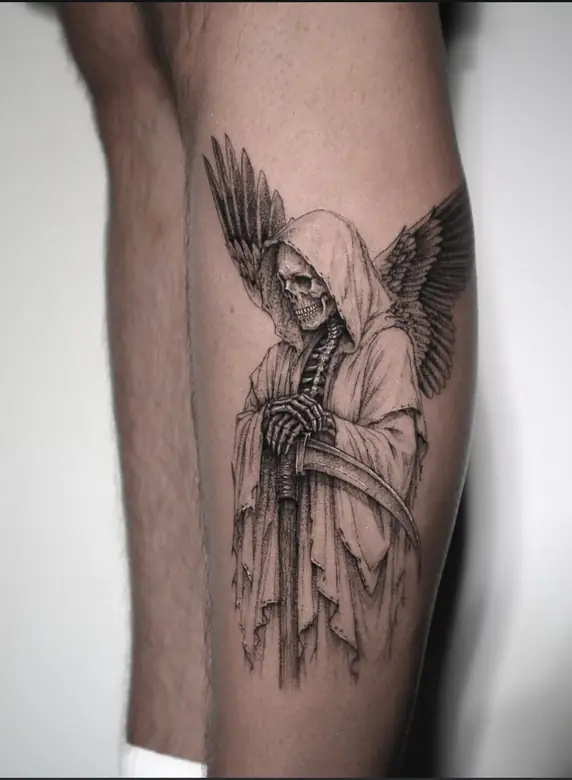
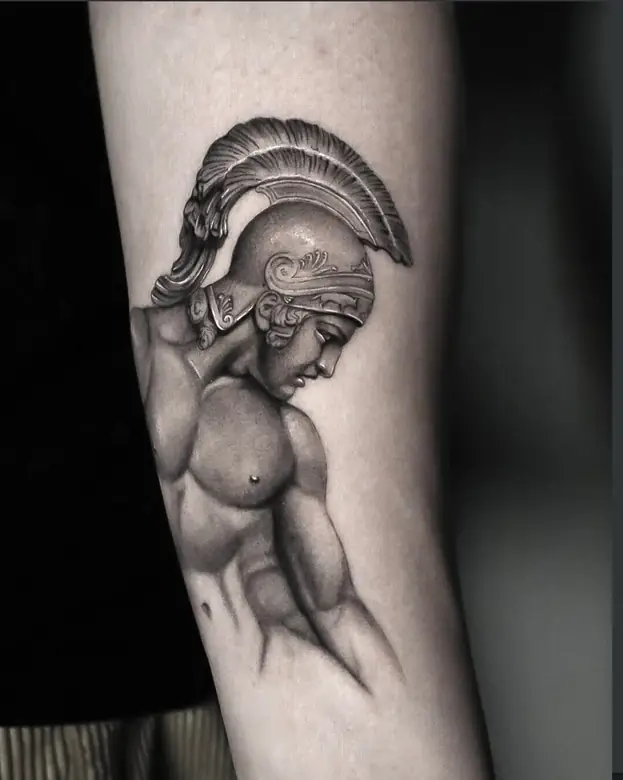
If we are planning a realism tattoo, like a portrait or a detailed object, I pick a spot with enough flat real estate so the piece keeps its proportions as you move. On arms, this is often outer forearm, upper arm or the back of the arm above the elbow.
3. We talk pain and sessions honestly
I do not sugarcoat it, but I also do not dramatize it.
Some areas do rank higher on a tattoo spot pain scale: inner arm, wrist, elbow, ribs. Outer arm, outer forearm and upper arm tend to feel steadier. If you are nervous, I will guide you toward a placement that usually feels more manageable for a first session.
For large-scale work or sleeves, we break it into sessions so you are not pushing past your limit. You will always know the plan before I start.
4. I map out future pieces
If you are already thinking about a sleeve or more tattoos later, I keep that in mind from day one.
I will tell you how a small tattoo placement now can fit into a larger piece later and suggest ways to tuck it in so it can connect into a larger composition. That is a big part of my blackwork and modern tattoo work: pieces that flow together in a way that makes sense from every angle.
How my style affects placement
I work in fine line, realism, dark / blackwork and modern tattoos in black ink only. That shapes how I think about where things go.
- Fine line tattoos look clean and subtle, but they also rely on very thin lines. I avoid putting delicate script right on joints or high-friction areas where lines are more likely to soften and blur.
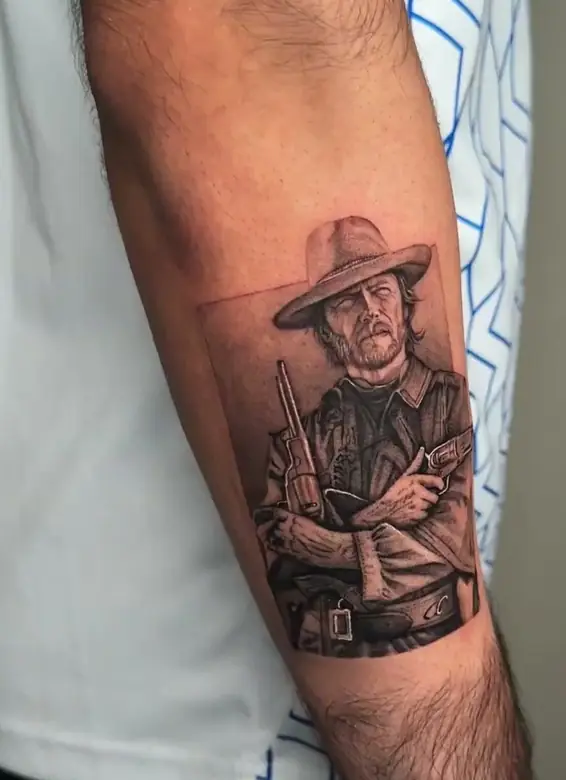
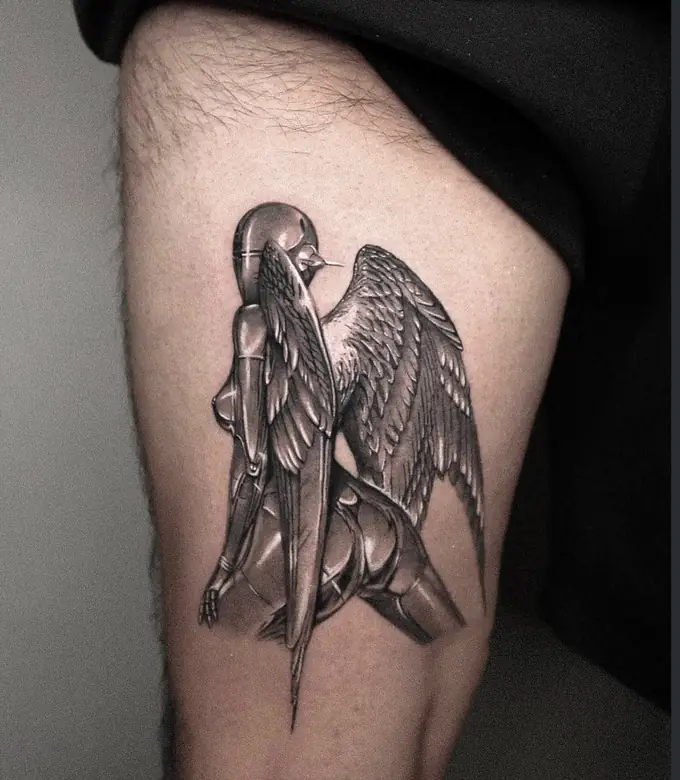
- Realism tattoos need a stable canvas so details stay readable. I stick to arm tattoo spots like outer forearm, upper arm, and sometimes thigh or back for these.
- Dark / blackwork pieces are more solid and can handle a bit more movement, but I still design them to flow with the muscles and bones underneath.
I will also talk about tattoo placement aging. Areas like hands, fingers and feet see sun and wear every single day. I do not put high-detail fine line work there because it will not hold the way it does on the arm or torso.
If I think a placement choice will make the tattoo fade faster or age badly, I say that before we book it.
What to expect in a placement consultation
Before any booking, I offer a free 10–15 minute consultation, by video or in person at 1800 Davenport Rd, Unit 6 in Toronto.
Here is what we cover:
- Your idea and reference images
- How visible you want it in your day-to-day life
- Any concerns about pain or certain arm tattoo spots
- Your job, dress code and hobbies that might affect fading or friction
- Future plans, like sleeves or matching pieces
I will sketch rough placement ideas right on your body using markers so you can see how it lines up with your shape. We can move it, rotate it, resize it until it feels right.
If you want to go ahead, you leave that chat with:
- A clear placement plan
- An idea of size and how many sessions it might need if it is larger work
- Deposit details and how booking works
No pressure to book on the spot. The goal is for you to feel clear and take the time you need.
Ready to talk about placement for your next piece?
Before and after: what changes with good placement
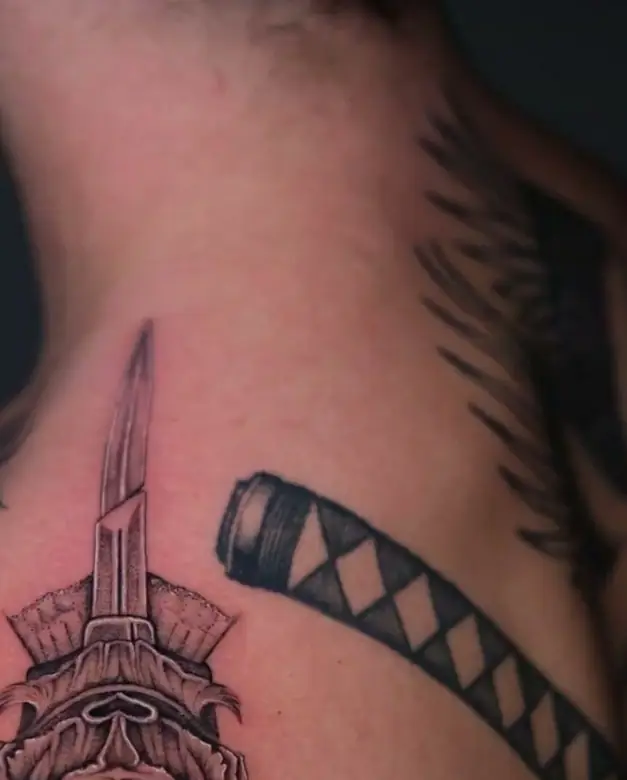
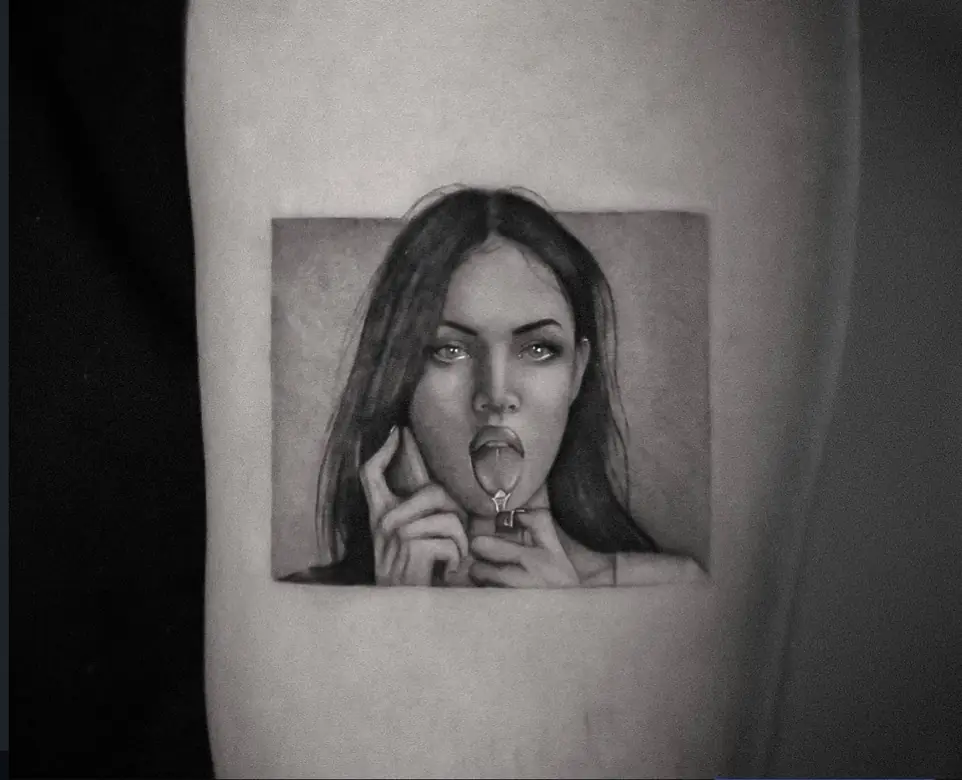
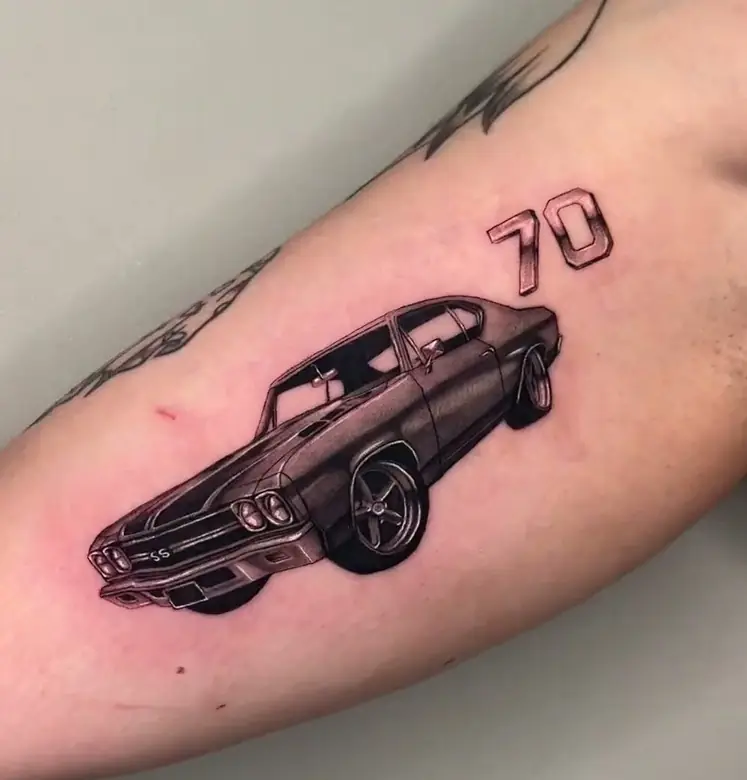
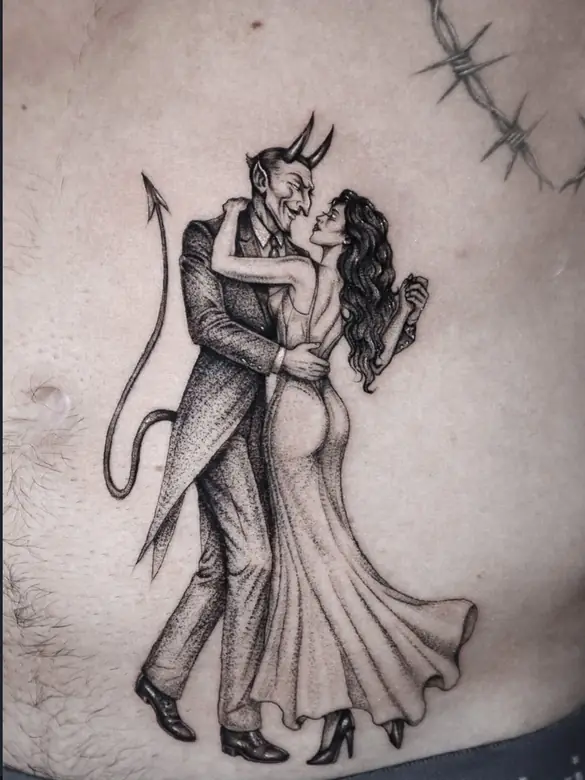
Photos tell the story better than words. In the gallery, you will see:
- Small fine line pieces that sit neatly on wrists or inner arms without crowding
- Realism tattoos on forearms and upper arms that keep their proportions when you move
- Blackwork that wraps around arms in a way that still looks clean from every angle
Every one of those started with a placement conversation that shaped how the tattoo sits on the body.