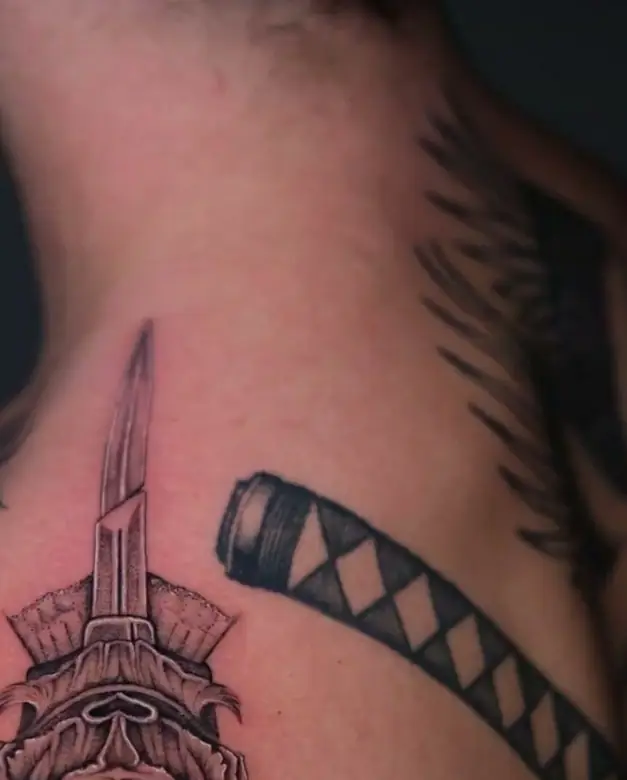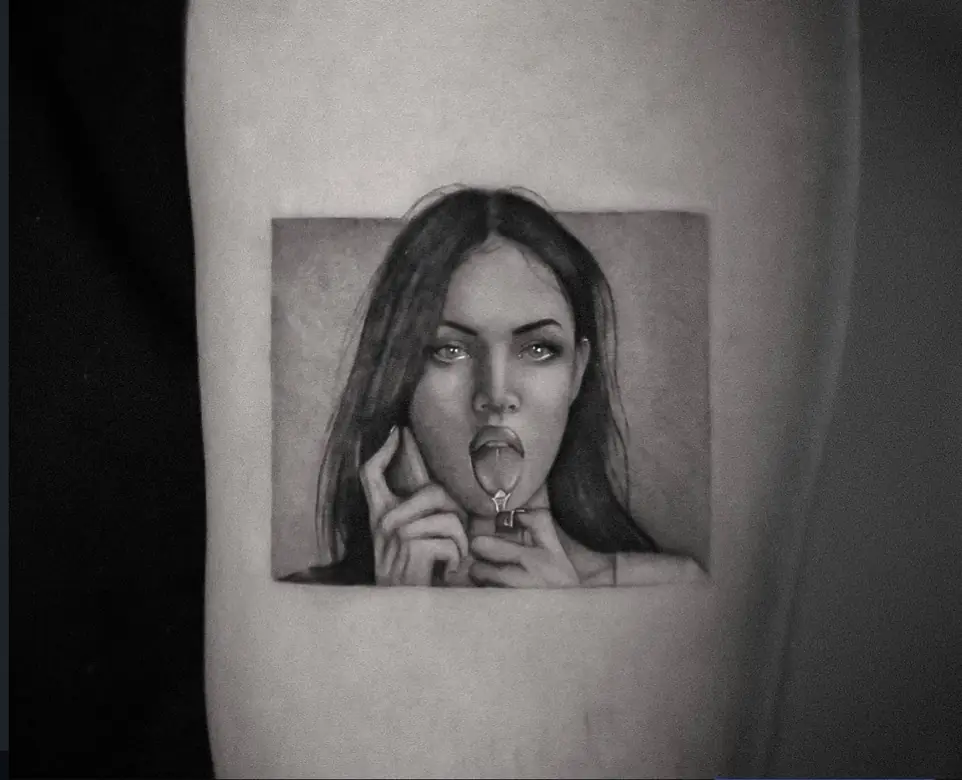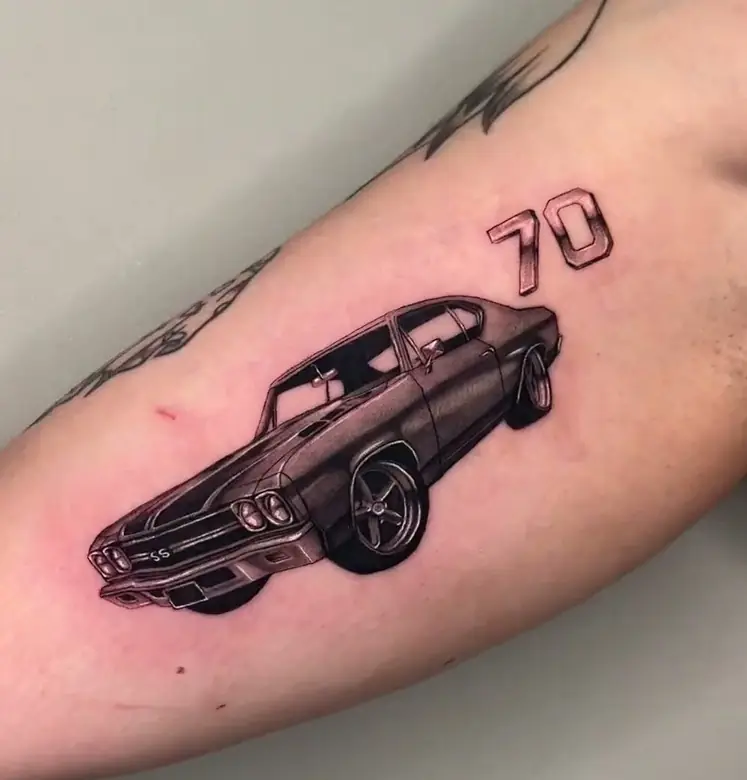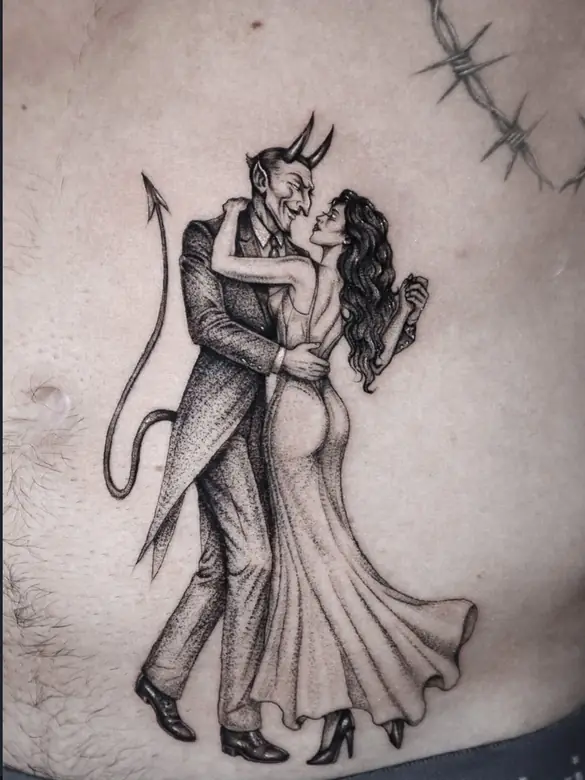
When “just a small tattoo” stops feeling simple
You start with a rough idea. Maybe a word on the wrist. A fine line rose on the arm. A half sleeve that has lived in your notes app for years.
Then the questions hit.
How big should it be so the lines age well. How much detail is actually possible. How that size changes the price and the time in the chair.
You search for a tattoo size price chart to make sense of it. Every image looks different. Palm-size here, postcard-size there. None of it tells you what matters most: how size, detail and placement work together on your body.
You do not want to end up with something that blurs out in a year. You also do not want to commit to a huge piece if a smaller one would work. You want someone to be honest about what will hold up.
That is where I come in.
I am Mitch, a Toronto tattoo artist who focuses on fine line, realism and blackwork. I spend a lot of time with clients talking through size before I ever pick up the machine.
How size actually affects your tattoo
Those “tattoo sizes and prices chart” images online are rough guides. They do not know your skin, your idea or how detailed the design is.
In real life, three things decide size: the line weight I need to use, how much detail you want and where the tattoo sits on your body. Fine line and realism tattoos need enough space for the lines to breathe, or they can close up and lose definition as your skin changes over time. Blackwork pieces with heavy shading often need a bit more room so the dark areas do not merge into one flat patch. On small areas like wrists or ankles, curves and movement matter as much as centimetres.
Size is not only about how “big” it looks. It is about how clearly it reads today, and years from now.
A real-world “tattoo size price chart” for my work
I do not publish exact prices per hour. I do have a clear minimum and a simple way of thinking about size, time and cost.
My minimum charge is $200. That covers small pieces that still need planning, setup and careful work.
Here is how size usually breaks down in my chair:
Small tattoos: coins, stamps and simple symbols
Think tiny script, a small symbol or a simple fine line design.
- Roughly: up to about a couple of inches in one direction
- Detail: simple shapes, minimal shading, clean lines
- Often covered by the $200 minimum, depending on design and placement
These are great for first tattoos or meaningful marks you want to keep subtle. The key is knowing when “small” is too small for what you have in mind.
Medium tattoos: hand-size pieces with room to breathe
This is where most people end up when they bring reference photos.
- Roughly: about the size of your hand, maybe a bit larger
- Detail: portraits with less micro-detail, fine line florals, small blackwork scenes
- Usually more than the minimum, priced by how complex the design is
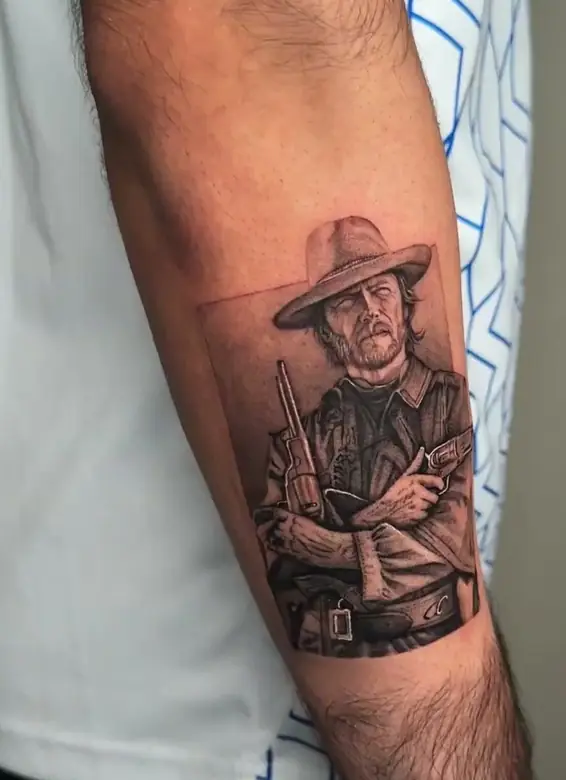
At this size, I can build more depth and texture without cramming lines together. It suits realism tattoo size for smaller portraits, animals or objects that still need to read clearly.
Large tattoos: half sleeve tattoo size and beyond
This covers bigger commitments like half sleeves, upper arm pieces or large thigh tattoos.
- Roughly: large enough to wrap around a section of your arm or leg
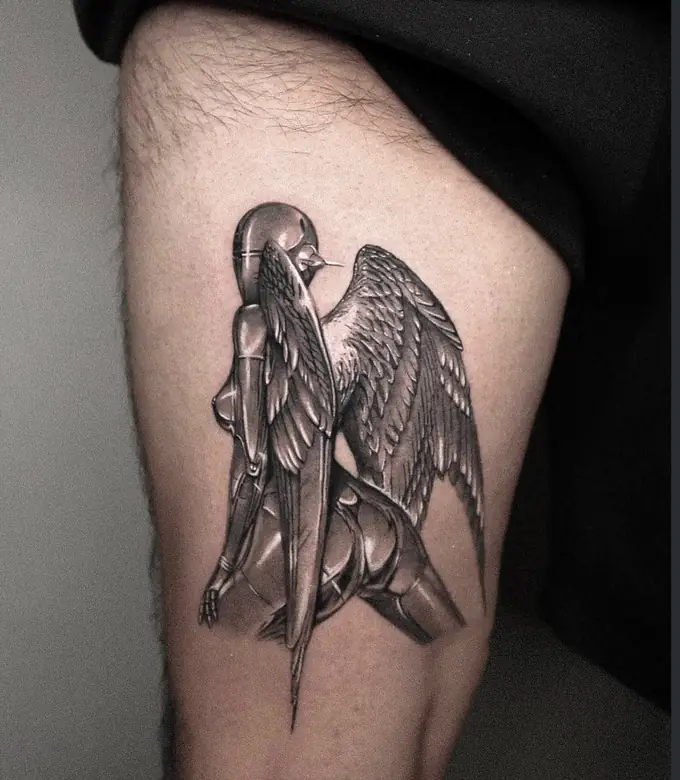
- Detail: full compositions, layered imagery, heavy blackwork, complex realism
- Multi-session work, with a deposit for a full day
A half sleeve tattoo size gives room for flow, movement and storytelling across the arm. With blackwork tattoo size in this range, I can play with contrast and negative space without losing the design in solid black.
The exact price always comes from the specific piece and what is involved in creating it. A simple bold design on the forearm can take less time than a hyper-detailed fine line piece that is physically smaller.
Tattoo size and detail: how I keep it honest
If you remember one thing from this page, make it this: design detail decides size more than any chart.
For fine line tattoos, letters and tiny shapes can look sharp at first, then soften as your skin heals and ages. If you bring me a sentence in micro-script wrapped around a finger, I will explain why we should scale it up or simplify it.
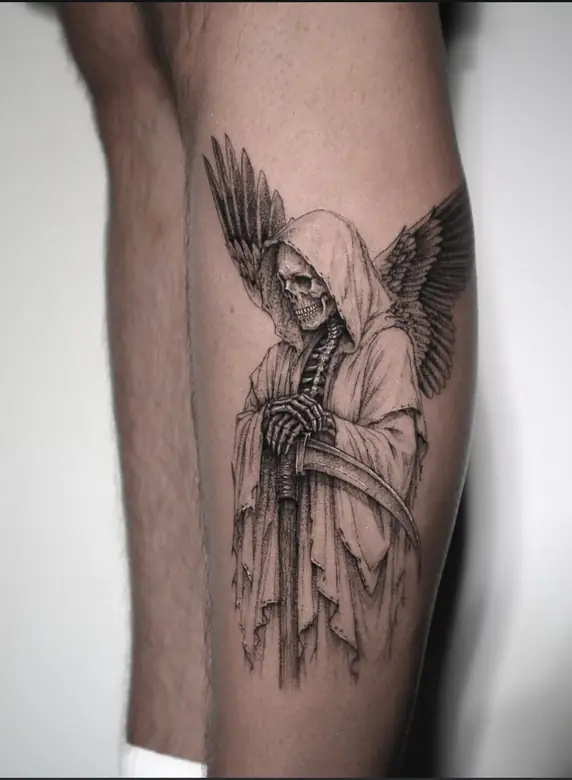
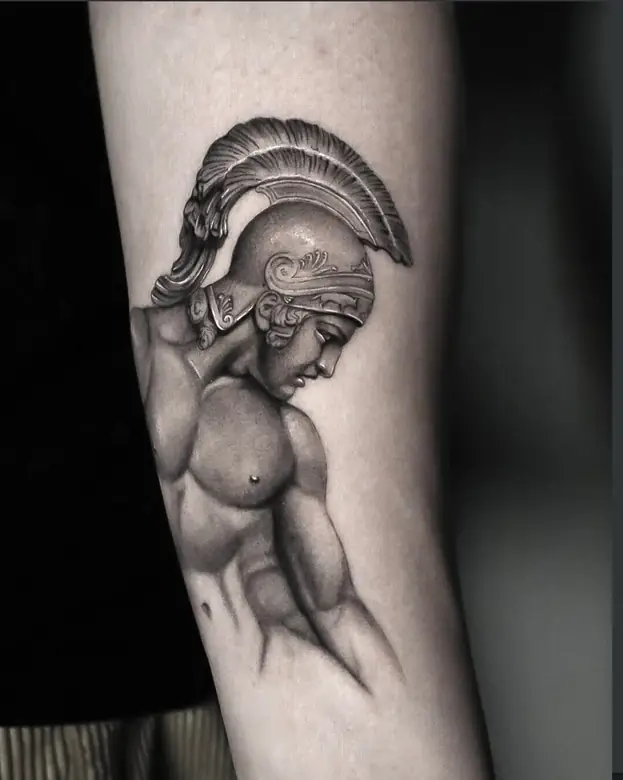
For realism, size is everything. A detailed portrait squeezed into a two-inch space will not stay crisp. Realism tattoo size usually needs more space than you expect so I can build shading, texture and expression without the face turning into a blur.
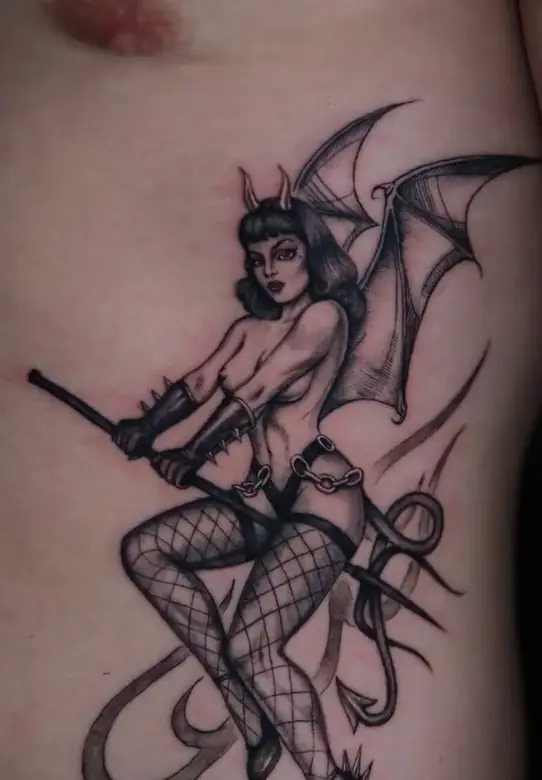
For blackwork, bold solid areas and tiny gaps between them can close together as the ink settles. That is why blackwork tattoo size often nudges up a bit from the first idea. I still keep it clean and minimal, but with enough room for negative space to do its job.
I would rather adjust a design than give you something that looks great for a week and tired a year later.
Why placement changes what “small” and “big” mean
The same size on paper and on skin does not always feel the same.
A “small” tattoo on the inner wrist reads very differently from the same measurement on the outer upper arm. Curves, movement and how often you see that area every day all matter.
On spots like fingers and feet, constant movement and friction can make fine line work blur faster. I will talk through that with you and suggest either a slightly larger size or a different spot if it will protect the design.
On areas like the upper arm, thigh or ribs, I can use the flow of the body to shape the design. That is where large-scale, half sleeve or multi-session pieces live. We plan how the design wraps and where it ends so it feels like part of you.
The goal is always the same: a tattoo that reads clearly from the distance it will usually be seen.
How I help you choose the right size
Every booking with me starts with a free 10–15 minute consultation, in person or over video. That is where we work through size, placement and commitment.
Here is what we cover:
- Your idea and references
- Where you imagine it going
- How much detail you want
- How visible you are comfortable being day to day
From there, I sketch out what is realistic for your skin and the style you like. I will tell you when something needs to be bigger, when we can scale it down and when simplifying the design will actually make it stronger.
If we are planning a larger or half sleeve piece, we also talk about sessions, deposits and how the design can grow over time. I want you walking in on the day knowing exactly what we are doing.
You do not have to know all the answers before you book. That is my job.
Before and after: what changes as size increases
It is easy to look at a healed tattoo online and forget what went into it.
Smaller tattoos usually mean shorter sessions and a lighter first step into tattooing. They often suit minimal designs and simple symbols you want to keep close.
Medium pieces start to change how an area of your body feels. A hand-size blackwork piece on the outer forearm becomes part of how you present yourself.
Large, multi-session work is a real commitment. It can be one of the most rewarding ones you make for yourself.
No matter the size, my focus is the same: clean lines, clear shapes and a design that fits you. Results always vary from person to person, and skin is never a perfect canvas. Being open about that up front is part of respecting your commitment.
How I set size and pricing for you
There is no one “tattoo size guide 2026” that applies to everyone. When I look at size and cost, I am looking at you.
What I consider:
- Your skin type and texture
- Where the tattoo will sit
- The style: fine line, realism or blackwork
- How much detail is needed for the idea to make sense
- Whether this will stay a single piece or link into future work
I work by appointment at 1800 Davenport Rd, Unit 6 in Toronto. You must be 18 or older and bring government photo ID. Deposits are $100 for small, $200 for medium and $400 for a full day, and they come off the final price.
If you change your mind, you can reschedule with 72 hours’ notice. Late cancellations or no-shows mean the deposit is kept, and a new one books a new date. Touch-ups on my own work are free within one month.
The goal is simple: clear expectations, clean work and no surprises.