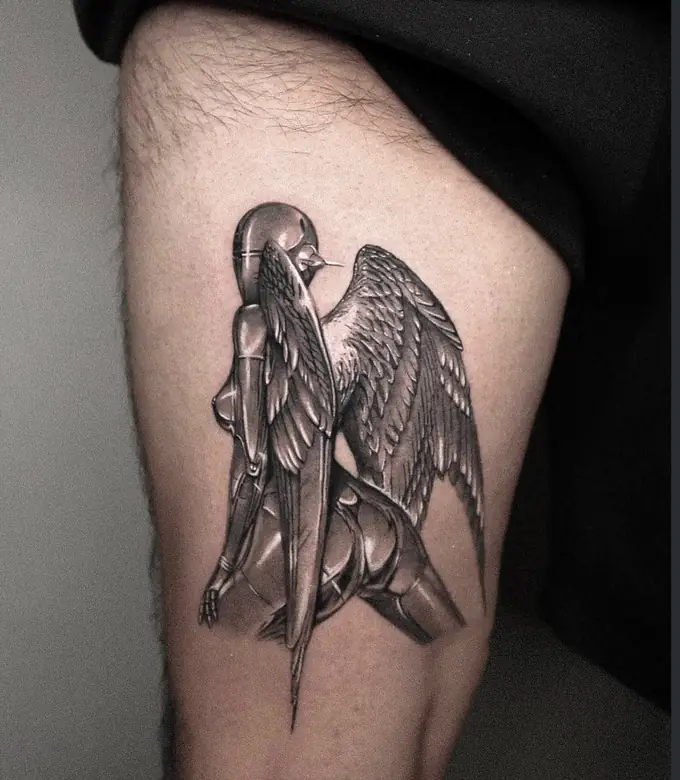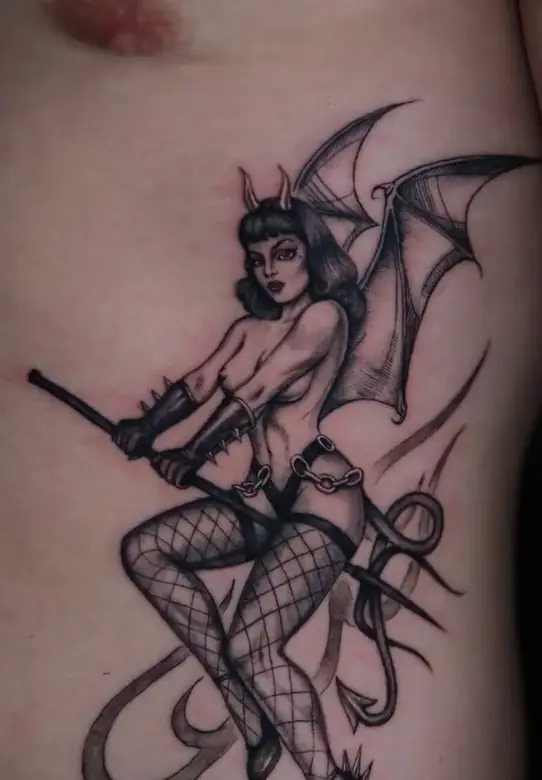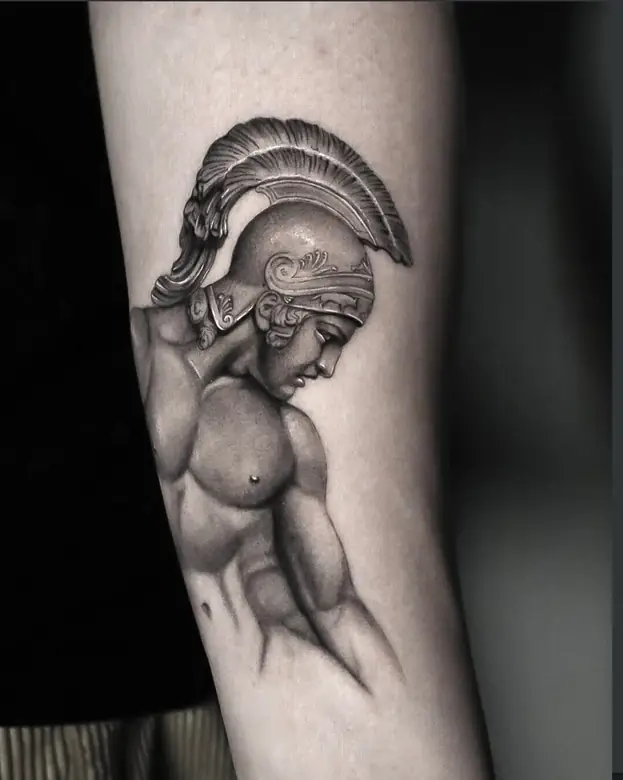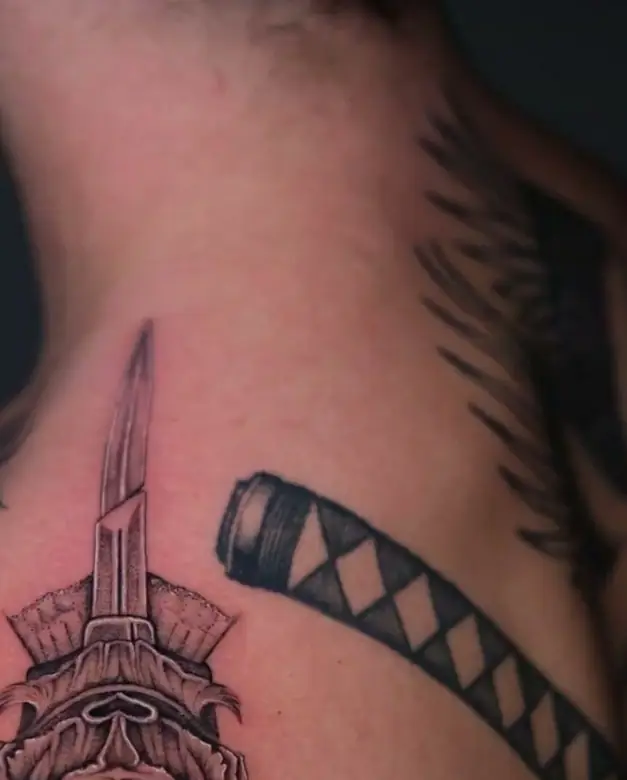

Want a tattoo, but worried about your job?
You keep saving tattoo references. Forearm pieces. Hand scripts. Maybe a neck tattoo that just looks right on the people you follow.
Then you think about your manager. The client meeting. Job interviews you might have next year. And you close the folder again.
Maybe you already have one tattoo that tucks under a T‑shirt. It feels like you. Now you are wondering how far you can go before it starts to affect work. Especially if you are in Toronto, where half the office has ink, but your industry still feels conservative.
You have probably searched “tattoo job” more than once. Read a few Reddit threads. One says nobody cares anymore. The next says a boss made them cover it. It is hard to know what is actually true for you.
This page is for that pause. The moment between “I want this” and “but what about work?”
I will walk you through what matters, what does not, and how I help clients place tattoos so they feel right on your body and fit your career.
How tattoos affect work now
Workplaces have changed a lot. In Toronto you will see visible tattoos on teachers, nurses, baristas, designers, even some lawyers and bankers.
But policies have not disappeared. They just moved.
The real question is less “will tattoos ruin my job?” and more “how visible will they be in my industry and how easy is it to cover them when you need to?”
Most employers look at two things: visibility and content.
Visibility is about whether the tattoo shows in normal work clothes or on video calls. Content is about whether it is neutral art or something that could be taken as offensive.
A fine line floral on your upper arm and a bold neck piece are both tattoos. They do not land the same way in a job interview.
So the risk is less about having ink at all and more about where it sits and what it shows when you are doing your job.
That is the part you can plan.
Matching tattoo placement to your career
When I am designing for someone who is thinking about their job, I look at three things before I sketch.
1. Your current job and future plans
What do you do now? Where do you want to head next?
Office or client-facing roles often need easy coverage. Creative, hospitality or trades roles are usually more open.
If you think you might shift into a stricter field later, we treat the tattoo like a long-term choice.
2. How you dress for work
Work wardrobes are different from weekend wardrobes.
Do you live in shirts and blazers? Scrubs? T‑shirts? Do you wear your hair up or down?
Your usual work clothes give us a “coverage map.” I will ask you to think about sleeves, necklines and pant lengths as part of the plan.
For example:
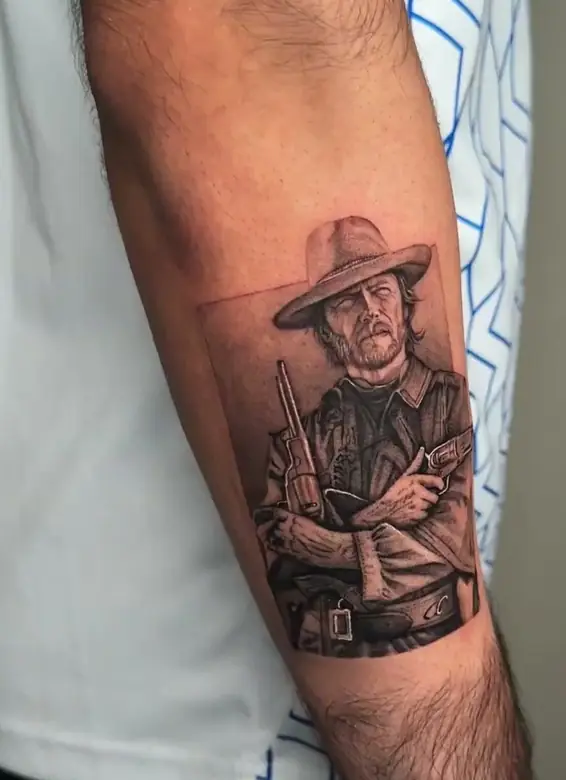
- If you want a forearm piece but your job is conservative, we might shift it up onto the upper arm so a short sleeve hides it.
- If you are set on a leg piece, we can place it where dress pants cover it, even when you sit.
3. How much risk you are actually comfortable with
Some people are relaxed about visible tattoos. Others want the option to hide everything when they need to.
Both are fine. My job is to match the design and placement to your comfort level.
If we are close to a visible area, I will tell you that clearly before we book. I would rather you pause now than regret it before a big promotion.
Safer placements when you are thinking about a tattoo job
There is no one “safe” spot for everyone. But there are placements that are usually easier to work with when you care about a future job.
These are common choices my clients in Toronto pick when work is on their mind.
Upper arm and shoulder
For many people, this is the sweet spot.
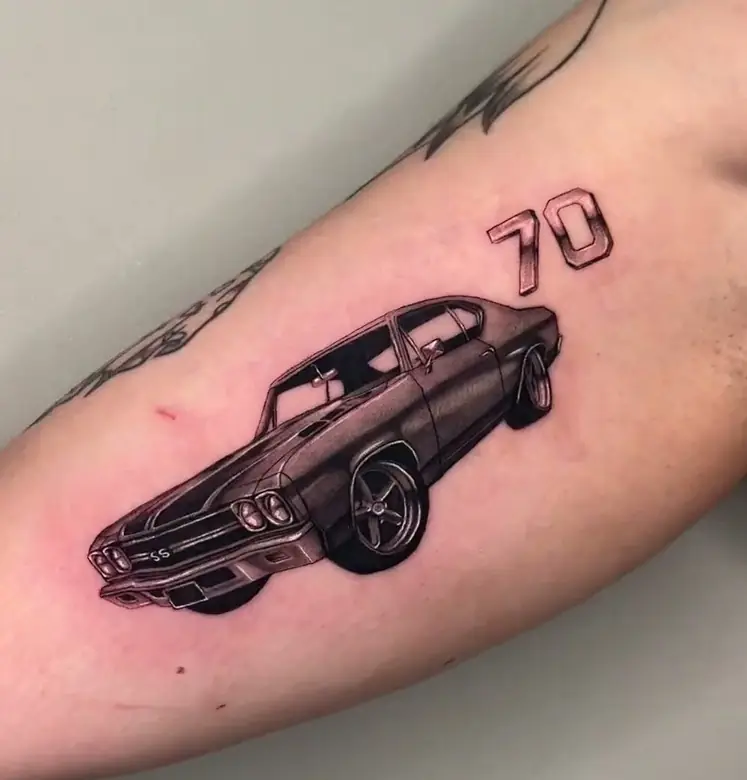
Short sleeves, scrubs and most shirts cover the area. You get a good amount of space for fine line or realism work without it being the first thing someone sees in a meeting.
I do a lot of custom design tattoos here that can connect into a sleeve later if your situation changes.
Thigh and hip
If you want something larger but do not want it to show at work, this area gives you space and privacy.
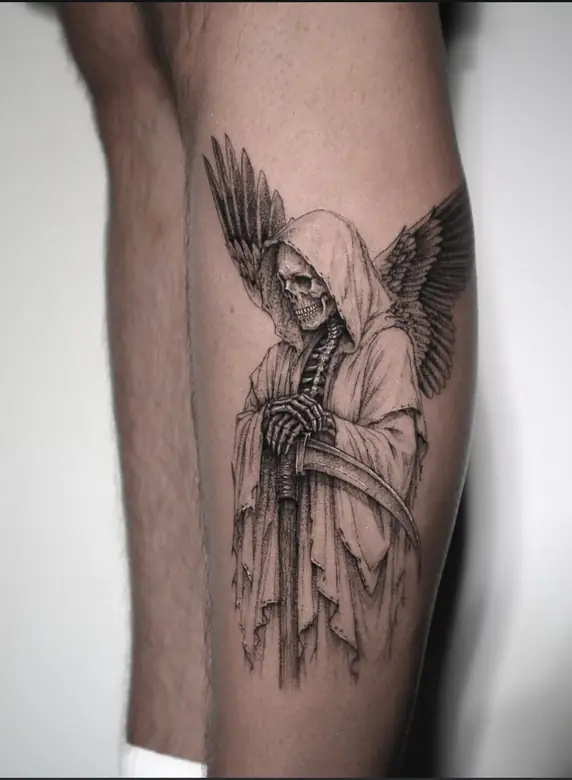
Leg tattoos are easy to hide with pants or longer skirts. This works well for detailed realism tattoos or strong blackwork that feels personal.
Back and ribs
Great for people who want a big statement but only share it by choice.
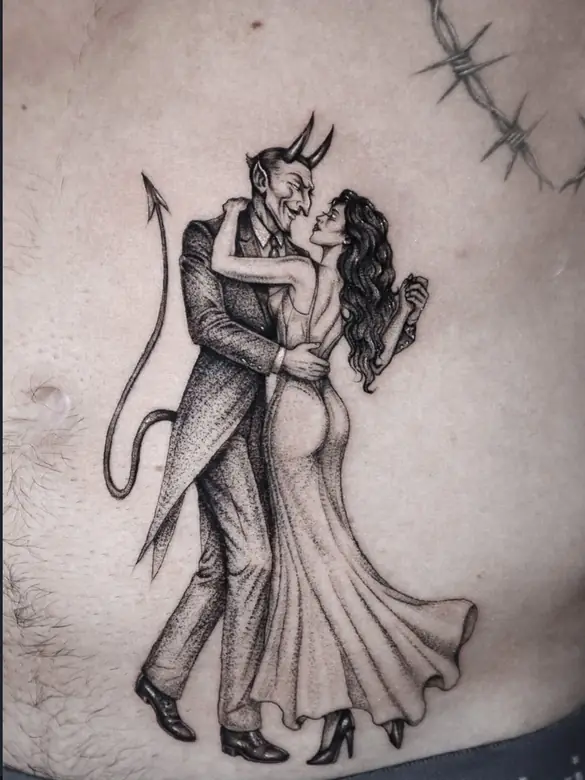
These placements are almost always covered in an office or customer-facing job. They suit large-scale black and grey designs or modern, minimal pieces that follow your shape.
More visible spots (and what to think about)
Hands, fingers, neck, face and sometimes lower forearms are harder to hide. These placements can affect how you are read before you even speak, especially in more traditional fields.
I tattoo these areas for some clients, but not as a first step if you are nervous about your job.
If you are set on something visible, we will talk honestly about your industry, how serious you are about keeping your current path, and what it might mean for future roles.
Content matters as much as placement
Employers pay attention to what a tattoo shows.
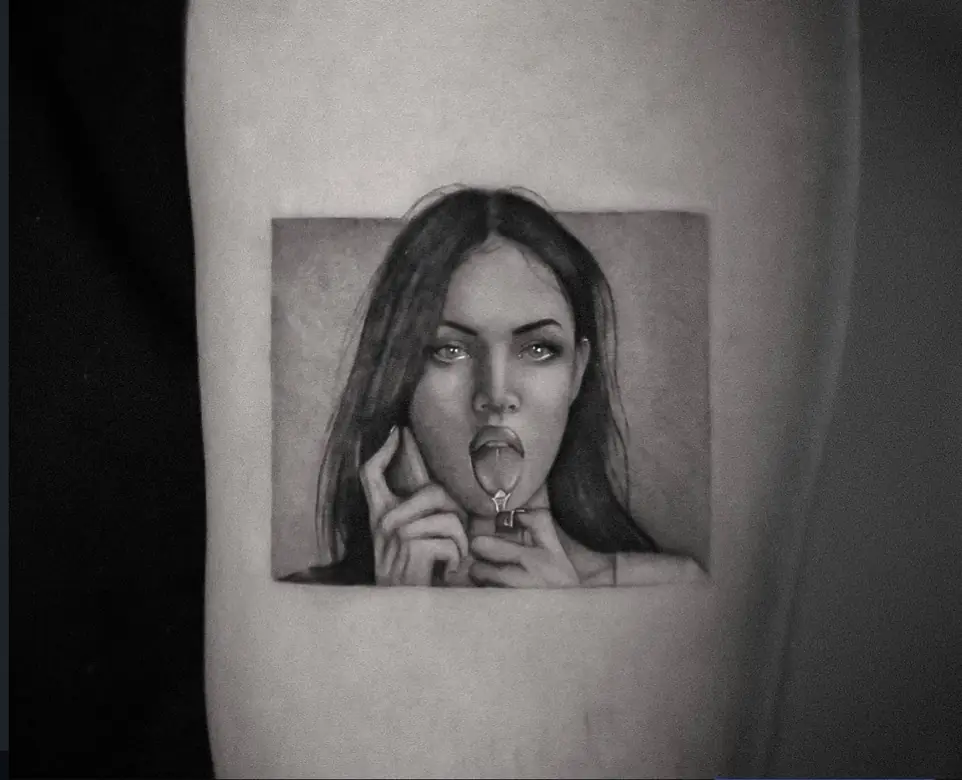
Fine line flowers, animals, abstract shapes or script usually draw fewer reactions than bold imagery that could be read as violent, hateful or explicit.
When I design realism tattoos or dark / blackwork pieces, I am always thinking about how they will read in a quick glance.
If you ever wonder whether something could be taken the wrong way in an interview, say that in your consultation. I would rather adjust the concept than have it limit you later.
How I help you plan for both ink and work
I have tattooed people at a lot of stages.
Students who are still figuring out their field. People mid‑career who have wanted a sleeve for years. Freelancers and creatives who have more freedom but still see clients.
The process is the same every time.
1. Free consult, no pressure
We start with a 10–15 minute consult, video or in person.
You tell me what you like, what you do for work, and what worries you about a tattoo job. Bring references or just ideas.
I will give you an honest read on placement, size and style that fit both your body and your work reality.
2. Placement and composition
If we move ahead, I map how the tattoo will sit on you when you:
- Stand and sit
- Bend your arm or leg
- Wear your usual work clothes
I build compositions that follow muscle lines and bone, so the tattoo looks natural in motion and in still poses. That helps it feel at home on your body.
3. Style choices that age well
I focus on fine line tattoos, realism and dark / blackwork.
For workplace‑aware pieces, I often:
- Keep things clean, with clear shapes that read well from a distance.
- Avoid clutter so the tattoo feels considered.
Black and grey work also tends to age in a way that stays readable over time, which matters when you think long term about both your body and your career.
4. Clear boundaries before you book
If I think a placement is likely to cause you issues with your job, I will say so up front.
Sometimes that means shifting a design. Sometimes it means telling you this might not be the right time for a hand or neck piece.
You always make the final call. My role is to make sure you are making it with full information.
Realistic expectations: tattoos and job security
A tattoo does not decide whether you are good at your job.
But it can shape first impressions, especially in fields that move slower on dress code and image.
Some things to keep in mind:
- Policies can change with leaders. A relaxed manager today does not guarantee the same in your next role.
- Different departments in the same company may treat visible tattoos differently.
- Remote work can blur lines, but many people still attend in‑person meetings or events.
Planning for some flexibility is usually smart.
That might mean starting with placements that hide under a T‑shirt, or keeping more visible work to later, when you feel more settled in your career.
How we build a tattoo plan around your work
No two clients have the same job, body or risk tolerance. That is why I treat every piece like a one‑off.
When we talk about a new tattoo, I look at:
- Your field and how conservative it is.
- Where you realistically see yourself going next.
- Your existing tattoos, if you have them.
- Your comfort with visibility and possible comments.
From there, I recommend placement, size and style that respect both your work life and your personal taste.
Sometimes that means saying we start in an easier‑to‑cover area. Sometimes it means saying yes to the half sleeve you have wanted because your role has the flexibility and you are ready.
Either way, you leave the consult with a clear plan that fits your situation.
Before / after: what changes with the right planning
I do not share client stories or photos here, but I see the shift in the room.
People walk in worrying about interviews and future managers. They walk out knowing exactly where their tattoo will sit, how it will look in work clothes, and what that means for their specific field.
The art feels less like a risk and more like a decision they understand.
That is the goal.
Ready to talk through your idea?
If you are in Toronto and thinking about a tattoo but keep getting stuck on how it might affect your job, start with a consult.
Bring your references. Bring your questions. We will go over placement, size and style until it feels right for both your body and your work.