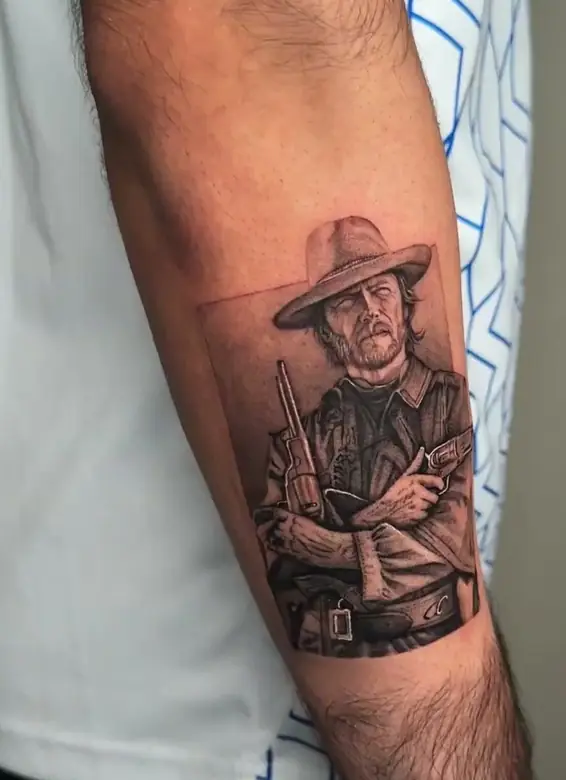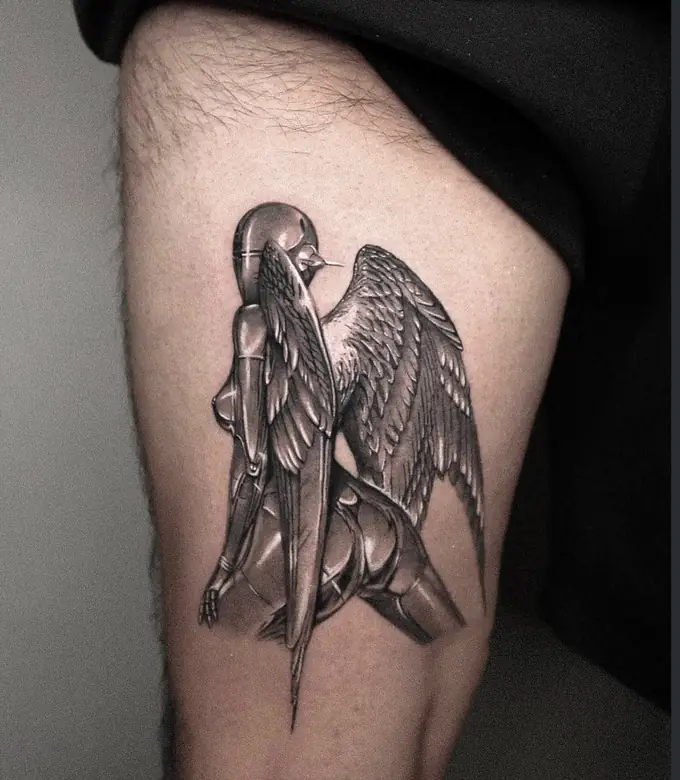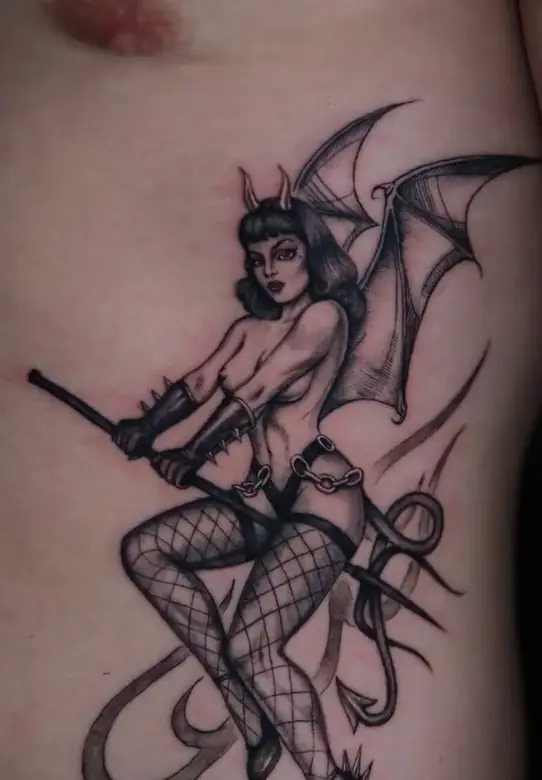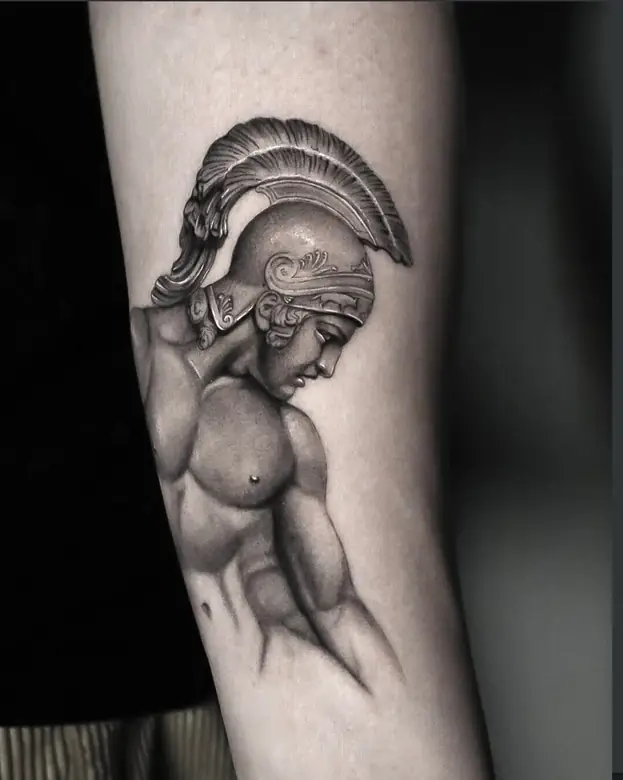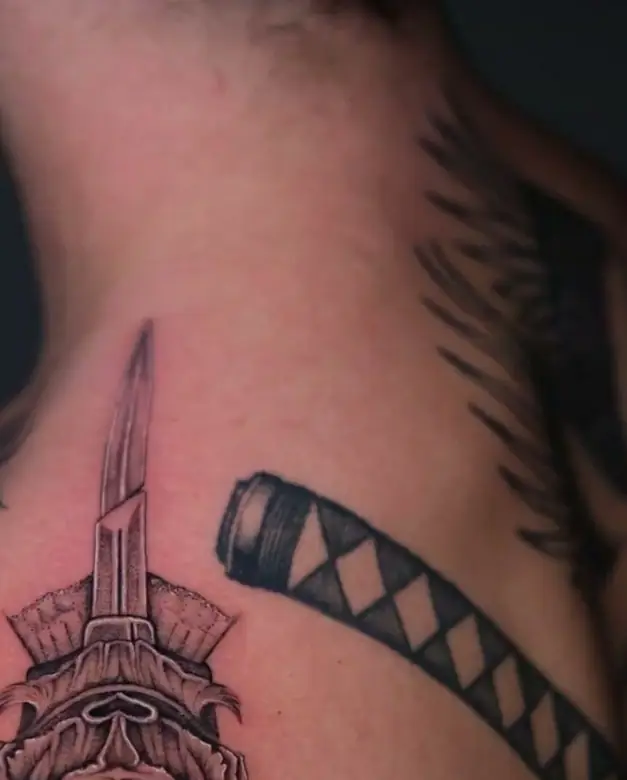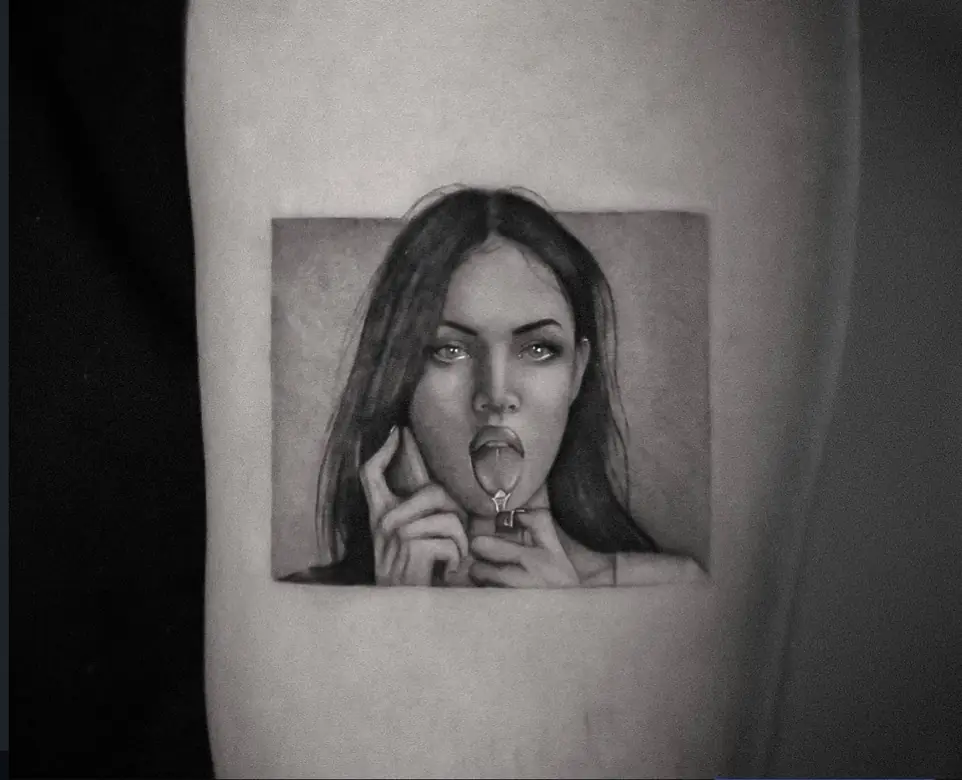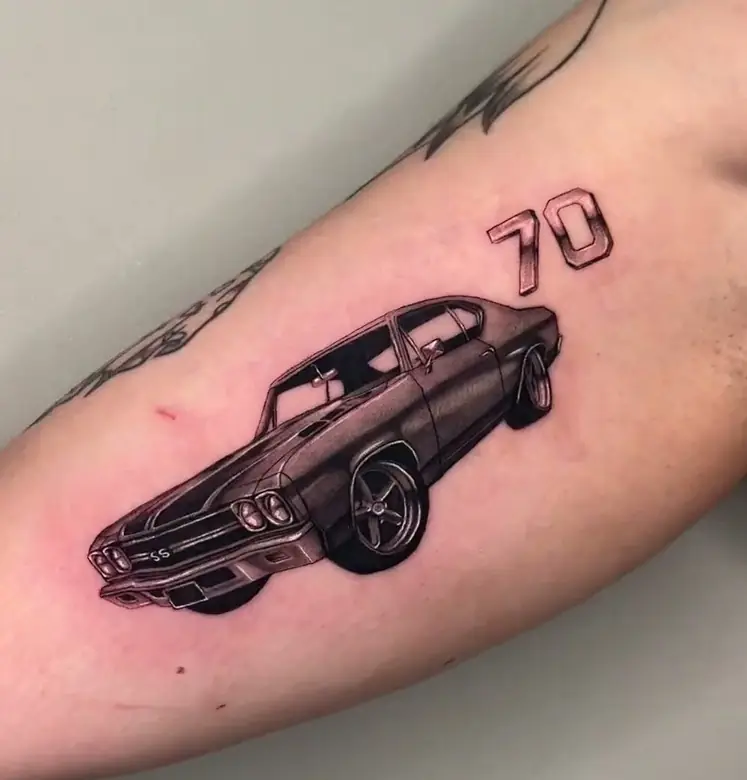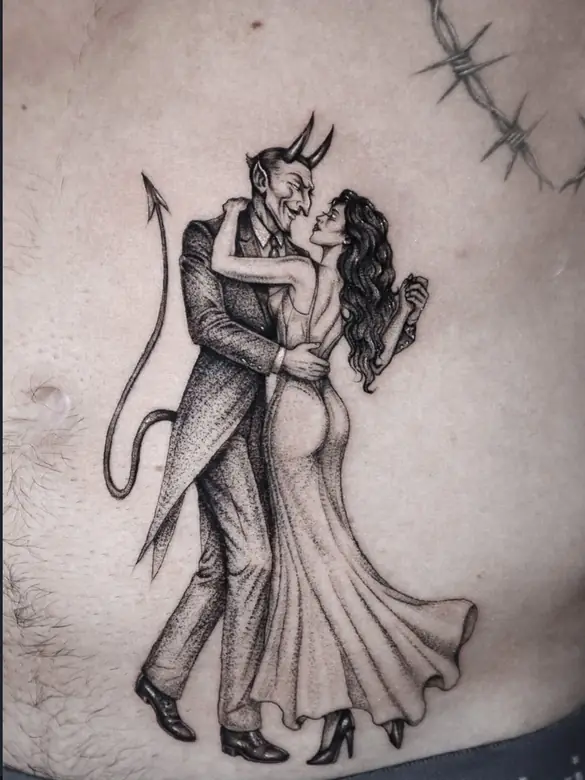

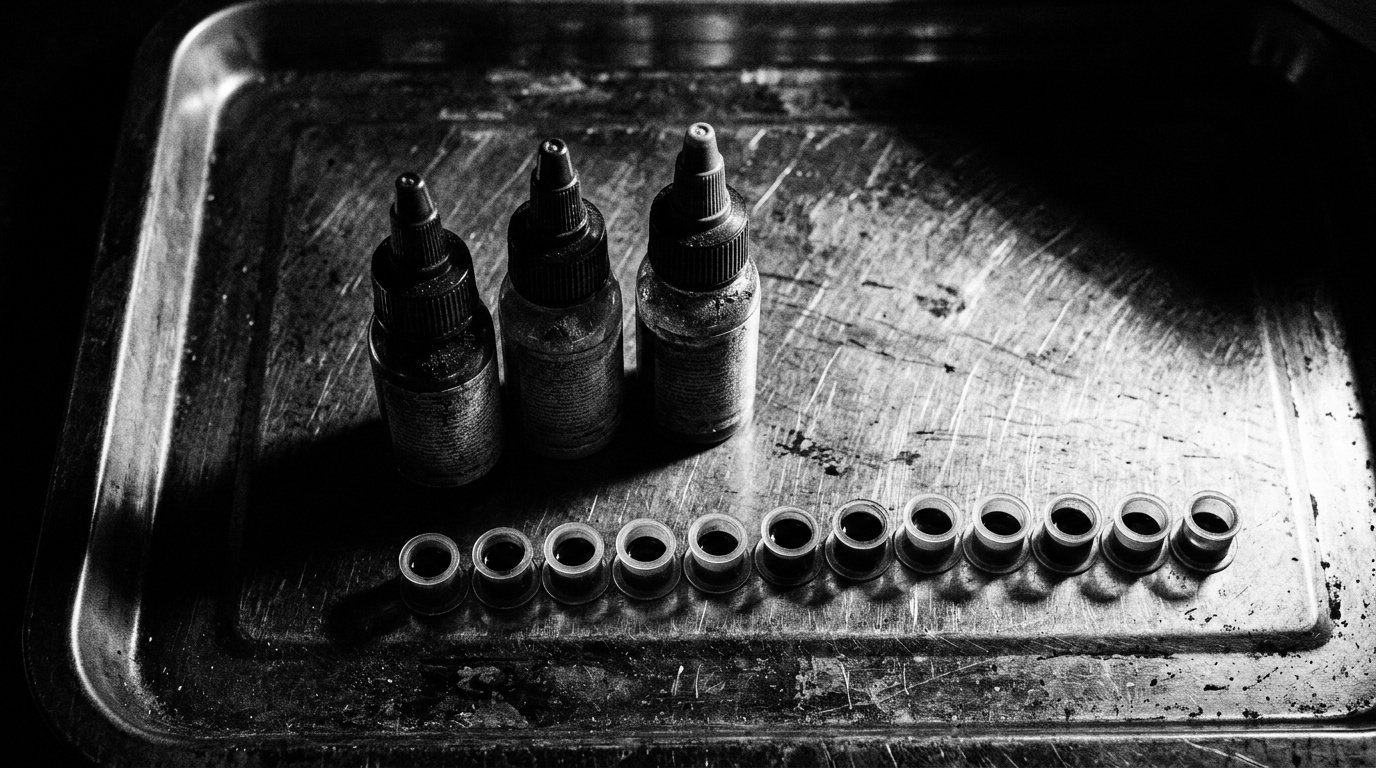
When you worry your skin might not like tattoo ink
You keep zooming in on healed tattoo photos and wondering one thing: what if your skin reacts badly to the ink.
Maybe you have sensitive skin already. Maybe you have had reactions to hair dye, jewellery or certain makeup. Now you are thinking about a tattoo and your brain jumps straight to swollen lines, angry red patches or a piece that never heals quite right.
You search “tattoo ink allergy” and see horror stories mixed with vague answers. Some say red ink is the problem. Others say vegan ink is always safe. None of it feels clear enough to bet your skin on.
If that is where you are, you are not overthinking it. You are asking the right question before you sit in the chair.
I work with fine line, realism and blackwork. I talk about ink, skin and reactions with Toronto clients all the time. Let me walk you through what is actually going on and how I handle it in my own work.
What a tattoo ink allergy really is
A tattoo ink allergy is your immune system reacting to something in the ink.
Ink is made from pigments plus a liquid carrier so it moves through the machine and into your skin. Your body sees those pigments as foreign material. Most of the time it settles, heals and just sits there. In some people, the immune system keeps attacking a part of the ink and that shows up on the surface.
That reaction can be mild, like a small raised area that itches now and then. It can also be more intense, with bumps, strong redness or skin that looks different from the rest of the tattoo even once healing should be done.
Red ink gets a bad reputation because the pigments used for bright reds have a higher chance of triggering this kind of reaction. But any colour, and even black, can cause issues in the wrong person. It comes down to your skin, your history and exactly what is in that specific ink.
A reaction comes from the ingredients and your immune system. It does not mean the tattoo itself was done badly.
Signs of a tattoo allergy vs normal healing
Fresh tattoos are wounds. Some soreness, light redness and clear fluid are part of normal healing.
Signs of a possible tattoo ink allergy look different:
- Redness that spreads or does not settle after the early healing window
- Itching that is intense, constant or gets worse instead of better
- Small bumps or a rash just in one colour area, like only over the red ink
- Skin that stays raised or lumpy along certain lines once everything should be flat
- Flaking or peeling that keeps coming back over the same spots
An infection can sit on top of all this and that is a medical problem. If you see yellow or green pus, strong heat in the area, red streaks or feel unwell, that calls for medical care in Toronto.
If you are not sure which one you are looking at, take clear photos and get checked. I would rather you send a message and have it be normal healing than wait on something serious.
Why red ink gets blamed so often
You will see “red ink tattoo allergy” show up a lot when you search.
Strong reds often use different pigment types than black ink. Historically, some reds used metals or other compounds that more people reacted to. Modern brands have shifted a lot, but the body still tends to complain more about heavy, bright colours sitting in one spot.
That is why you hear more stories about reactions in red roses or red details than in black linework.
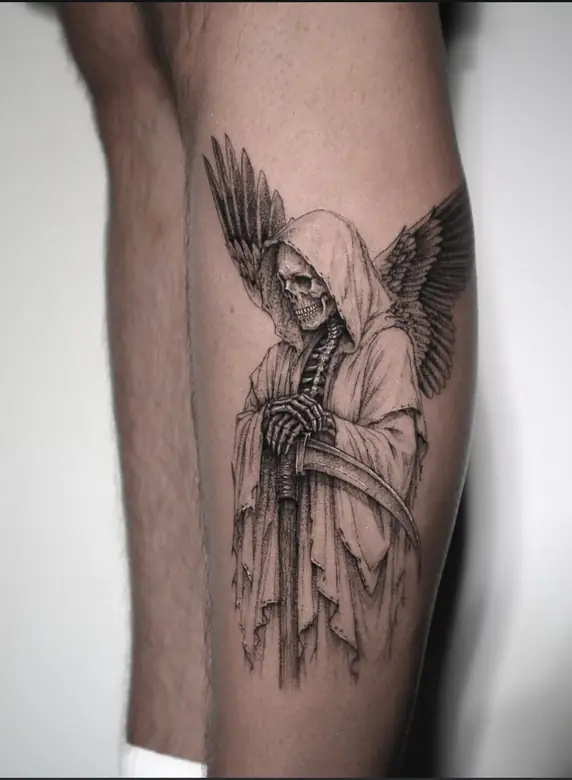
I work in black ink: fine line, realism and blackwork. I turned down colour pieces for a reason. I like what black ink looks like healed, and it also keeps things simpler for people who are worried about colour reactions.
Black and grey are not guaranteed “allergy safe”, but they remove a big chunk of the risk that sits in bright pigments.
Vegan tattoo ink allergy: does “vegan” mean safer?
“Vegan tattoo ink allergy” is another thing people type into Google hoping the label will protect them.
Vegan ink usually means the carrier and other additives do not use animal products. That can be important for ethical reasons. It does not promise your immune system will ignore the pigments.
You can still react to vegan ink if your body does not like a particular pigment or preservative. Vegan is about the source. It does not predict how your skin will behave.
If you care about vegan ink, say that in your consultation. I can explain what I use and how that fits with your values. Just keep in mind that the word “vegan” is a label on ingredients.
How I reduce tattoo ink allergy risk in my work
I cannot control any client’s immune system. I can control everything about the setup, the ink and the way I work.
Here is what that looks like in my chair.
1. Talking through your history first
Before I book you, I offer a free 10–15 minute consultation, video or in person.
If you are worried about tattoo ink allergy, we talk about:
- Any reactions you have had to hair dye, makeup, perfumes or metals
- Skin conditions you live with, like eczema or psoriasis
- Allergies you already know about from doctors or patch tests
This helps me see if there are clear warning signs or if we are just being careful because you have sensitive skin.
2. Focusing on blackwork and fine line
My work is black and grey. I do not take on colour tattoos.
That means your piece will be built from line, texture and shading instead of bright pigment blocks. It fits my style, and it cuts down on some of the risk that shows up often with red and other colours.
If you type “blackwork tattoo allergy safe” into a search bar, the answer is never a simple yes or no. A clean black line tattoo generally has fewer variables than a full colour piece in multiple tones.
3. Clean, consistent setup
I am certified in bloodborne pathogens and have passed public health inspection in Toronto.
That covers hygiene and cross-contamination, which is different from allergies but just as important. If your skin is already fighting an infection, it will be more reactive to anything in the area, including ink.
Everything I open for your tattoo is single-use where it needs to be. Surfaces are cleaned down. Needles and cartridges are new for you. It is a calm, one-client-at-a-time setup.
4. Being honest if your idea is not right for your skin
Some designs ask for layers of colour, big solid areas or placements that will be rough on sensitive skin.
If you bring me a reference, I will not copy it line for line. I will talk through how it might age on your body and what the ink is doing under the surface. If that means I advise against a particular approach, that comes from wanting you to heal well and still like the tattoo years from now.
Sometimes the safest move is shifting the style to fine line or realism in black, or keeping the size reasonable.
What I can and cannot do if you react
If you have a strong reaction to fresh ink, that is a medical issue. I cannot diagnose or treat allergies or infections. Only a doctor can do that.
Here is what I can do:
- Look at clear photos and tell you if what you see looks close to normal healing or more worrying
- Suggest basic aftercare steps that support healing of a normal tattoo
- Explain what I used on your skin and when, so you can give that information to a healthcare provider
- Once everything is calm and cleared medically, talk about the plan for touch-ups or small adjustments if they are needed and safe
If you ever feel unwell, see fluid that looks like pus, or feel heat and pain spreading, go to a medical clinic or urgent care in Toronto first. Send me an update when you are safe.
How I adjust the plan if you are allergy-prone
Not everyone needs the same approach. When someone tells me they are nervous about tattoo ink allergy, I look at a few things before we book:
- Your skin history: known allergies, past reactions, current skin conditions
- Placement: areas that rub a lot can stay irritated longer
- Style: fine line versus heavy saturation, realism versus bold blackwork
- Size and sessions: whether it makes sense to break a large design into more than one appointment
I work by appointment at 1800 Davenport Rd, Unit 6 in Toronto. That keeps the space quiet and lets me focus on one person at a time. You are never an add-on in a busy walk-in queue.
By the end of your consultation, you should know three things clearly: whether your idea fits my style, how we will approach it on your skin and what to watch for during healing.
When you are ready to talk through your own skin and ideas, you can start with a free consult.
Before and after: what “good” looks like with sensitive skin
Every body heals a little differently, especially if your skin is reactive.
For a clean fine line or black realism piece:
- In the first days, you can expect light redness and slight swelling that settles
- After that, lines should look crisp, with only mild itch and flaking
- Long term, the tattoo should sit flat in the skin and feel like the rest of your body when you run your fingers over it
If you already know your skin is touchy, “good” might just mean slower healing but still trending in the right direction. If the area keeps getting angrier, spreading or forming bumps that stick around, that is when it moves out of the normal range.
Healing and reactions are individual. No artist can promise you will never react, and I will never say that. I can be straight with you about what is realistic and stay available if you need to check in.
Tattoo ink allergy: FAQs
How common is a tattoo ink allergy?
Tattoo ink allergy is possible but not the norm. Many tattoos in Toronto heal without an allergic reaction. When it happens, it often ties back to a specific pigment or a person with a strong allergy history. If you are worried, I suggest a consultation before you book so we can talk through your skin and your idea.
What are the first signs of a tattoo allergy?
Early signs include redness that stays or spreads, intense itching, and bumps or rash-like patches over part of the tattoo. If those symptoms keep getting worse instead of better, or you feel unwell, that is the time to see a doctor in Toronto and message me with photos so I know what is going on.
Is red ink more likely to cause an allergy?
Red ink has a higher reputation for reactions because of the pigments used for bright reds. That is why “red ink tattoo allergy” comes up so often online. I work in black and grey only, which avoids a lot of that red-heavy risk. No ink is completely risk-free, but blackwork removes some common triggers.
Is blackwork safer if I am worried about tattoo ink allergy?
Blackwork is simpler from a pigment point of view. A clean black line or shaded piece has fewer ingredients than a full colour sleeve. My style at Mitch Bold Tattoos focuses on black fine line and realism, which fits both the look I like and the clients who feel better keeping to black and grey.
Can vegan tattoo ink still cause an allergy?
Yes. Vegan tattoo ink means the ingredients are from non-animal sources. Your immune system can still react to pigments or preservatives. If vegan products matter to you, we can talk about that and how that sits with your allergy history.
What should I do if I think I am having a tattoo ink allergy?
First, check for signs of infection like strong heat, pus, red streaks or feeling sick. That kind of reaction needs medical attention in Toronto. If it looks more like an allergy but you are unsure, see a healthcare professional and bring your aftercare notes. You can also email me photos so I know what products and ink were used.
Can you test the ink on my skin before a full tattoo?
Some people ask about a small test dot. A tiny mark can show if your skin reacts strongly at that spot, but it cannot guarantee how a full piece over a larger area will behave. I am happy to talk through options in a free consultation and be honest about what a test can and cannot tell us.
Will an allergy ruin the design of my tattoo?
A strong tattoo ink allergy can change how the skin looks in that area, which can affect the design. Raised lines, bumps or missing pigment can all happen. The first priority is your health. Once a doctor clears you and the skin settles, we can talk about what is possible in terms of touch-ups or small adjustments, if they are safe.
Are some body areas more at risk for tattoo allergies?
Tattoo ink allergy links most to your immune system and the ink. Placement still matters for irritation. Areas that rub a lot or stay moist can stay irritated longer. During your consultation at my Toronto location, I look at both your idea and the spot you are thinking about to see if there is a better option.
How can I lower my risk before getting tattooed?
Know your own history, follow medical advice on any existing allergies and pick an artist whose style does not push you into heavy colour if that worries you. In my chair, I keep it black and grey, work clean and take time with the design so it fits your body. A clear chat before booking is always the best first step.
When you are ready to talk through your skin, your idea and your comfort level, I am here.
No pressure, no rush. Just an honest conversation about what is right for you.