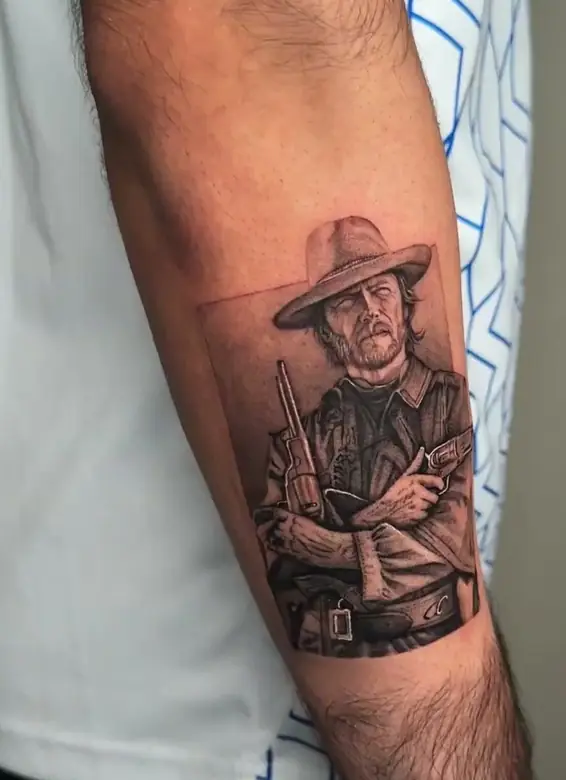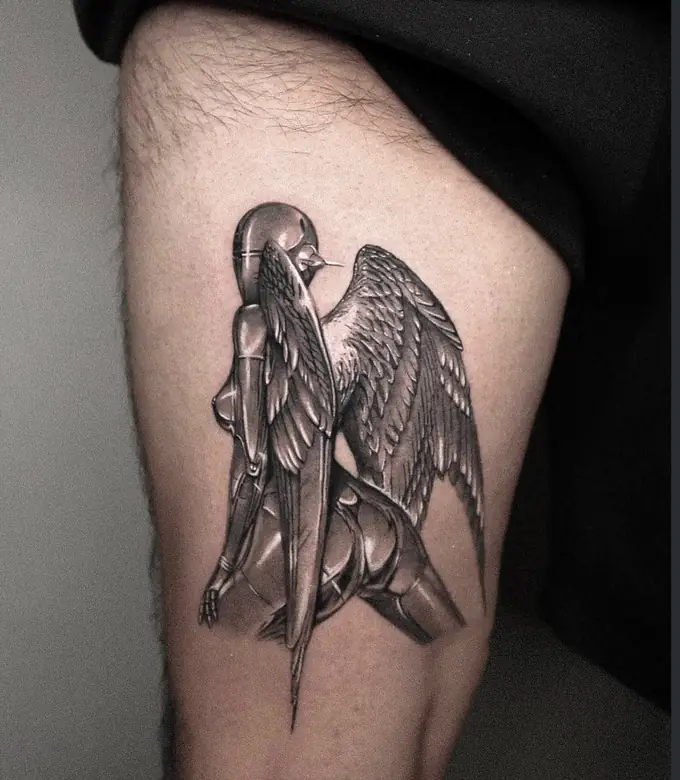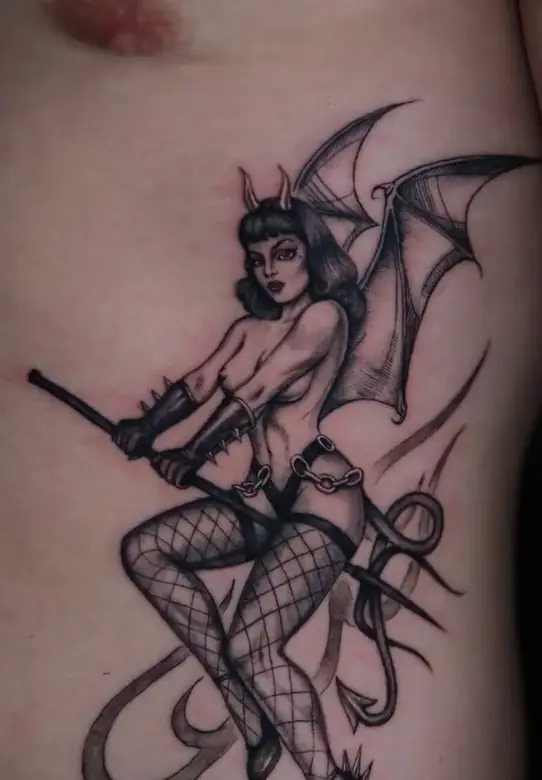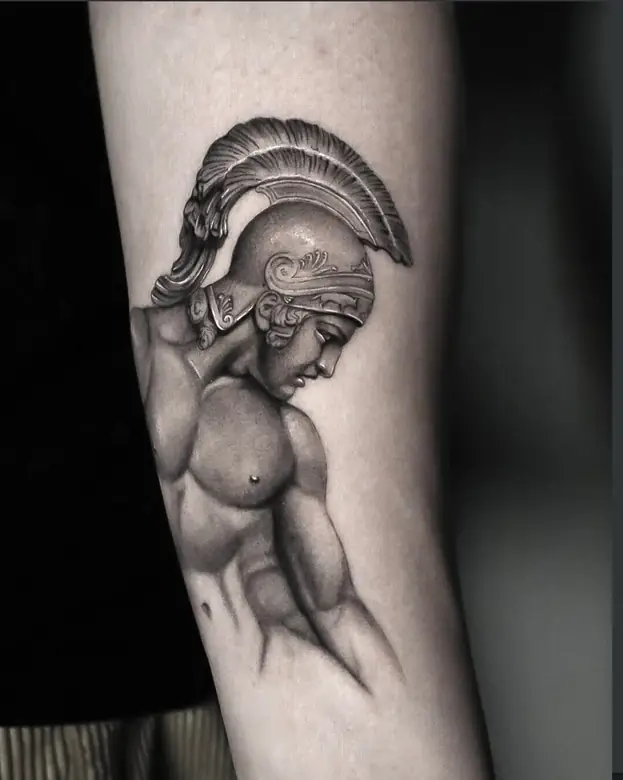

You finally got it done. The stencil is off, the redness is there, your skin feels hot and a bit tight. Now you are home, looking at this new tattoo and wondering if every tingle, itch or shine is normal.
You have a bandage on, or maybe a clear film. You are not sure how long to leave it. When can you shower? Is that first peel supposed to look like that, or is the ink falling out?
You have probably read ten different tattoo aftercare guides already. One says ointment. Another says dry heal. A friend swears by Aquaphor. Someone else says “just let it breathe”. It is a lot when all you want is for this tattoo to heal clean and stay sharp.
This is the same stage every client goes through. The first couple of days, the first week, then that flaky phase where it looks worse before it looks better. There is a clear pattern. Once you understand the tattoo healing stages, it stops feeling like a guessing game.
What Is Actually Happening When Your Tattoo Heals
A tattoo is thousands of tiny punctures placing ink into the second layer of your skin. Your body treats that as a controlled injury and starts a healing process, like it would with a scrape or cut.
In the first days, your immune system rushes in. Blood, clear fluid and a bit of excess ink rise to the surface. Then a thin layer of tissue forms to protect the area. Over the next week or two, that layer dries, tightens, flakes and sheds. Underneath, fresh skin is building over the ink.
This is why a new tattoo can look too dark at first, then dull, then suddenly clear again. It is not fading in and out. You are seeing it through different layers of healing skin at each stage. Good post tattoo care keeps that process clean, calm and steady.
The Tattoo Healing Stages, In Plain Language
Everyone heals a bit differently, but most tattoos follow a similar pattern.
Stage 1: Fresh and Wrapped
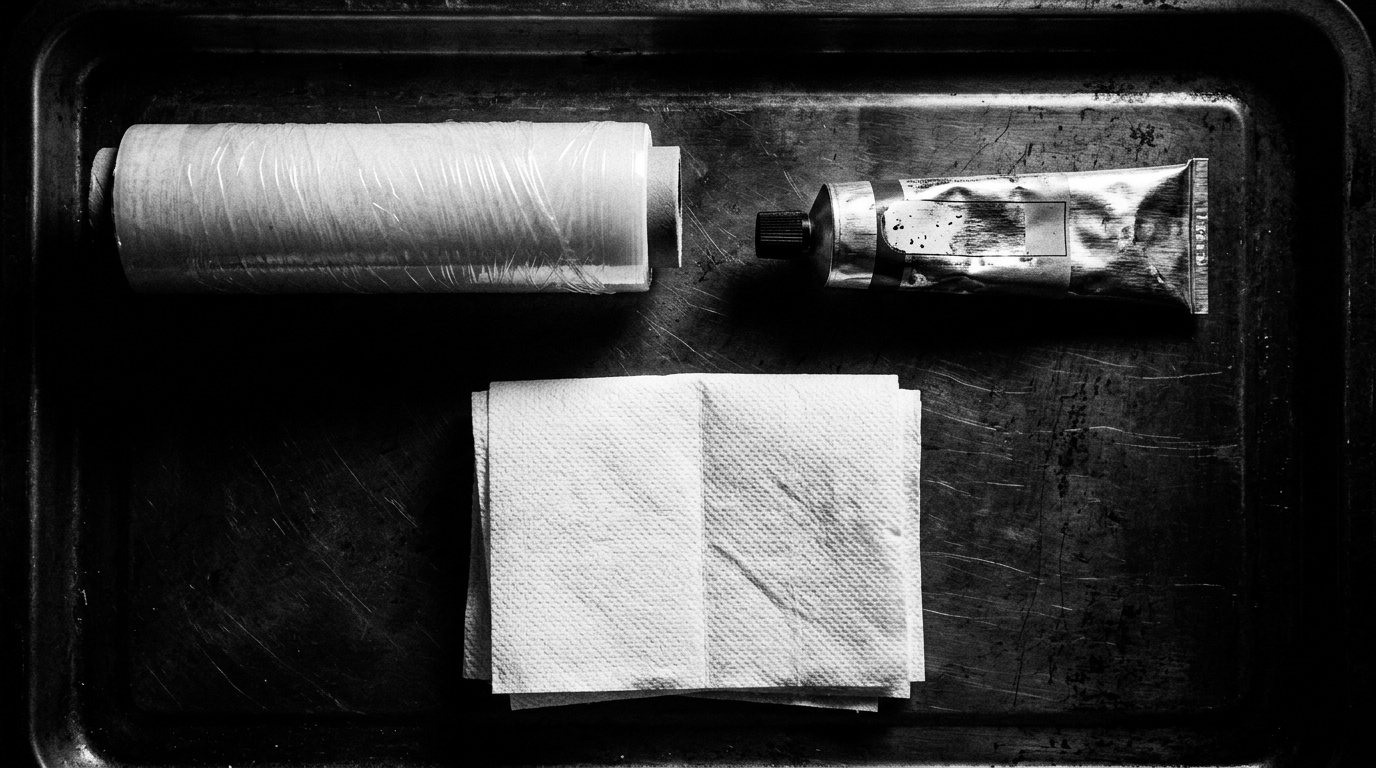
Right after your session I clean the area, photograph it, then dress it. That might be a breathable film or a traditional bandage, depending on the tattoo and your skin.
In this first stage the skin is open and more vulnerable. The wrap keeps bacteria, dirt and friction off while your body starts closing those micro punctures. You may see some ink and fluid collect under the film or on the bandage. That is normal.
Stage 2: The First Unwrap and Early Days
Once I tell you it is time to take the bandage off, the focus shifts to gentle cleaning. Lukewarm water, clean hands, no scrubbing. Then a thin layer of the tattoo aftercare cream or lotion we talk about in the studio.
This is when the tattoo can feel warm, tender and a bit swollen. Blackwork and larger pieces often feel heavier. Fine line tattoos may look very crisp and almost shiny. Your job here is simple: keep it clean, lightly hydrated and away from direct rubbing.
Stage 3: Itchy, Tight, Starting to Peel
As the top layer of skin dries and closes, you hit the peeling stage. The tattoo can look cloudy or dull. Small flakes or thin sheets of skin lift off, often with a bit of colour in them. This shows old skin breaking away while new skin forms.
Mild itch is part of this phase. Tempting as it is, focus on patting. That focus helps you avoid scabs, patchy healing and a rough texture. Let the flakes fall off naturally. Think “pat” any time you wash or dry the area.
Stage 4: Settling In
Once the peeling slows down, the tattoo usually looks a little flat. Fine lines may look softer than they did on day one. Dark areas can seem less bold. Under the surface, the ink is settling into its final place.
This is where good long-term tattoo care matters. Regular cream, staying out of strong sun and treating the area like skin you want to age well helps your realism, fine line or blackwork hold its detail for years.
How I Give Aftercare Instructions in the Studio
Every tattoo I do in Toronto finishes the same way: I talk you through your personal tattoo aftercare instructions before you leave the chair. Then I send those steps to you so you have them on your phone.
What I explain depends on a few things:
- Tattoo size and placement
- Fine line versus heavy blackwork
- Your skin type and how it reacted in the session
- The bandage or film I used
Finger tattoo healing asks for focused care on washing and clothing choices compared to a large back piece. A hand tattoo healing in winter needs more attention to dryness, while one done in humid weather in July needs more focus on sweat and friction. My job is to match the plan to your tattoo with clear, specific steps for you.
If anything feels off or you are just unsure about a stage of tattoo healing, you can text or email me a clear photo. I would rather answer a quick question than have you worry alone.
Products and Creams: What Actually Matters
There are whole shelves of tattoo aftercare products out there. Balms, foams, ointments, sprays. Aquaphor, “Inkredible tattoo care”, basic unscented lotion. It is easy to get lost in the branding.
Here is the simple filter I use when we talk about tattoo aftercare cream in the studio:
- Fragrance-free
- Not too thick or greasy
- Made for sensitive skin
A good product supports your skin. It does not “heal the tattoo” by itself. The way you cleanse, how often you add a light layer of cream and what you avoid in those first weeks matters more than the logo on the tube.
What Good Tattoo Aftercare Looks Like Day to Day
Instead of a strict tattoo healing timeline, I give you a pattern to follow and adapt:
- Keep the initial bandage on for as long as I recommend
- Wash with clean hands and mild, unscented soap
- Pat dry with a clean towel or paper towel
- Apply a thin layer of aftercare cream, never a heavy coat
- Avoid soaking: no baths, pools, lakes or hot tubs
- Skip tight, rough or dirty clothing over the area
- Protect from direct sun
Right after a tattoo, think “gentle and low contact”. As days go on, the pattern stays, but the skin feels less fragile. You will notice when the itch peaks, when peeling starts, then when it calms down.
When to See a Doctor Instead of Your Artist
I can explain what I see often in normal tattoo healing. I cannot diagnose or treat medical issues.
If you see spreading redness, strong swelling, pus, streaks moving away from the tattoo, or you feel unwell in your whole body, that is a medical situation. Contact a doctor, clinic or emergency service in Toronto. You can still let me know what is going on, but your health comes first.
How I Keep Healing in Mind Before We Even Start
Clean healing starts before the needle touches your skin. I keep my Toronto setup simple and focused: sterile equipment, bloodborne pathogens training, public health inspection passed and one client at a time in my chair.
Before every booking I do a quick tattoo design consultation. We talk about placement, how that area usually heals, and what to expect in each phase. If a certain spot will rub under a watch, bra strap or waistband all day, I tell you. Together we choose a placement and size that looks good now and makes sense for long term tattoo care.
For my own work, I offer a free touch-up within a month if the tattoo needs it. That way small fixes do not turn into big worries.
Before and After: What Changes Once Healing Is Done
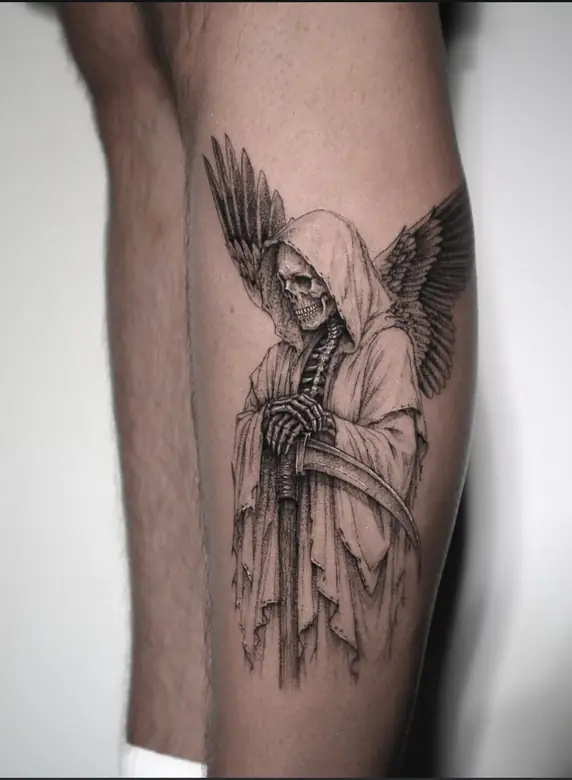
A fresh tattoo and a healed one never look exactly the same. Fine line tattoos soften a bit. Solid black areas settle into a more even tone. Any swelling around the edges goes down.
When you look at before and after tattoo healing photos, you are seeing that shift from raised, bright and shiny to flat, integrated and part of your skin. The goal of good after tattoo care is not to freeze your tattoo in the “day one” look. It is to help it heal into a clear, even, long-lasting version of the art you chose.
Ready to Talk Through Your Own Tattoo Healing Plan?
If you are in Toronto and planning a new piece, we can build your tattoo aftercare plan right into your consult. You bring the idea. I will walk you through placement, style and how the healing process of a tattoo like that usually plays out.
When you are ready, book a free 10–15 minute consultation. We will go over your questions, look at your skin and set you up with a clear plan from first bandage to fully healed.
Tattoo Aftercare FAQ
How soon can I shower after getting a tattoo?
You can often shower the same day, but the bandage timing matters. I will tell you when to remove your wrap and how to wash the tattoo without soaking it. Use lukewarm water, mild soap and clean hands, then pat dry. If you are unsure, message me a photo and I will guide you.
Can I swim after a new tattoo?
Swimming is off-limits while your tattoo is healing. Pools, lakes, oceans and hot tubs all carry bacteria and chemicals that can irritate or infect the area. In Toronto summers that can be annoying, but it is worth it. Wait until peeling has finished and the skin feels smooth again before going back in the water.
Is tattoo peeling normal, or is my ink falling out?
Peeling is a normal part of tattoo healing. Thin flakes or sheets of skin with a bit of colour in them usually mean old skin is coming off. What you want to avoid is thick, picked scabs. Do not peel or scratch. Let it shed on its own and keep using a light layer of cream.
Can I exercise after getting tattooed?
Light movement is fine, but heavy sweating and friction over the tattoo are not ideal right away. If your tattoo is in a high-movement spot, like a wrist, elbow or ribs, I will talk through what to avoid. In general, skip tight gym clothes and anything that rubs or pulls on the area until it feels settled.
What should I not do after a tattoo?
Do not soak the tattoo, scratch or pick at peeling skin, expose it to strong sun, or use fragranced products on it. Avoid tight, dirty or rough fabrics over the area. In Toronto winters, extra dry air can make skin crack, so regular gentle cream helps. If something feels harsh on normal skin, keep it off your tattoo.
Is Aquaphor good for tattoo aftercare?
Aquaphor can work for some people, but it is thick and can feel heavy on certain skin types. I prefer lighter, fragrance-free tattoo aftercare creams or lotions for most clients. When you are in my chair at 1800 Davenport Rd in Toronto, I will suggest a product based on your skin and the style of tattoo you get.
How long does a tattoo take to heal?
Surface healing often feels quick, but deeper healing takes longer. Many people move through the main tattoo healing stages over a few weeks. Fine line tattoos can feel comfortable sooner. Heavy blackwork or large pieces often feel like they take longer to settle. I will tell you what I see most often for your specific piece before you leave.
How is fine line tattoo aftercare different?
Fine line tattoo aftercare focuses a lot on avoiding over-saturation with cream and keeping friction low. The lines are delicate. Too much rubbing, scratching or heavy product can blur them. When you come to me in Toronto for fine line work, I go over a simple plan to keep those lines as crisp as possible.
Does blackwork take longer to heal than smaller pieces?
Blackwork and large solid areas can feel tighter and drier, especially in the first stages of tattoo healing. They sometimes need a bit more careful cream use and attention to clothing rub. During your consultation, I explain what I usually see for blackwork tattoo healing time based on size and placement.
What tattoo care products do you recommend?
I recommend simple, fragrance-free products made for sensitive skin. No alcohol, no strong scents, nothing that leaves a thick, greasy layer. I keep specific tattoo care products in mind, but I will always talk through options in person and email you your tattoo aftercare guide so you do not have to remember every brand name.
How long does a touch-up tattoo take to heal?
A small touch-up usually feels easier than the first session. The skin still goes through the same basic stages: tender, maybe a little flaky, then settled. I offer free touch-ups within a month on my own work, and I will remind you what to expect and how to care for it.
Does Toronto weather change how a tattoo heals?
Weather does not change the basic healing process, but it affects how your skin feels. In humid weather, sweat and friction can be more of an issue. In cold, dry months, skin can crack more easily. When we plan your tattoo in Toronto, I factor in the season and give you specific tips for summer tattoo aftercare or winter healing.
When you are ready to plan your next piece, or just want clear aftercare advice before you book, I am here.