
How Much Does A Tattoo Hurt, Really?
You have probably zoomed in on at least one tattoo pain chart already. Arms, ribs, spine, coloured from green to red, a neat little tattoo pain graph that claims to rate every body part from 1–10.
It helps a bit. But it does not answer what you actually want to know. What will this feel like for you, in that specific spot, for the kind of piece you want.
Maybe friends have told you totally different things. One says “barely felt my forearm.” Another swears their ribs were brutal. You are trying to choose placement, or wondering if you can handle a longer session, and the guesswork is stressing you out.
I work with a lot of first tattoos and a lot of fine line realism. You can say you are nervous. You will get straight information and a plan.
Tattoo Pain Charts Explained In Plain Language
Most tattoo pain scale charts are trying to show two simple things:
- Areas with more fat and muscle usually feel easier.
- Areas with lots of bone, thin skin or nerve endings often feel sharper.
So on a typical tattoo pain map, upper arms, outer thighs and calves sit in the “lower pain” zone, while ribs, spine, hands, feet and inner joints hit the “higher pain” colours.
What those charts miss is everything you bring into the room. Your sleep, your stress level, whether you have eaten, and how anxious you feel will all change how intense things feel on the day. Pain tolerance is personal. Charts are rough averages.
Where Tattoos Hurt Less (And More)
When someone asks me “where do tattoos hurt the least?”, this is the rough body tattoo pain chart I keep in mind.
Lower-pain areas for most people
If you want least painful tattoo areas for a first piece, these zones are usually more comfortable:
- Outer upper arm
- Outer shoulder
- Forearm (especially outer side)
- Calf and outer thigh
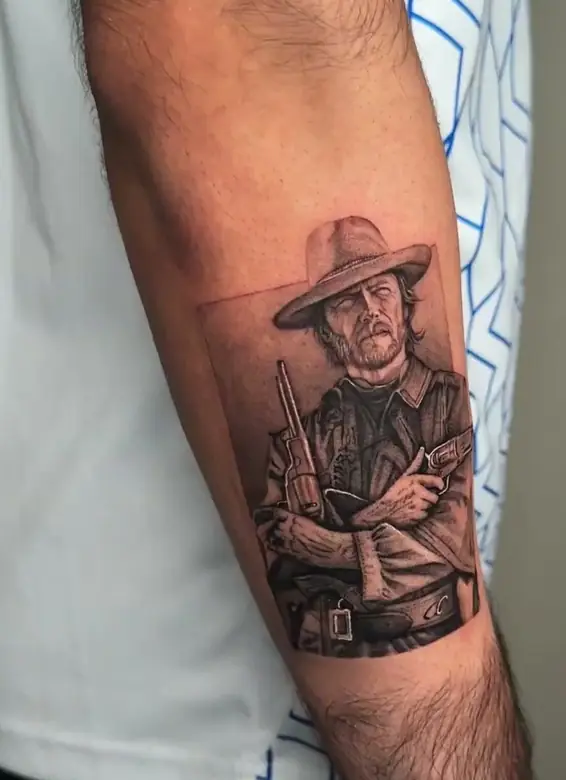
There is more muscle and padding here, and the skin is not resting right on bone. Fine line tattoo work in these spots is often described as scratchy or hot more than outright painful.
Medium pain areas
You may feel stronger stings here, but most people still manage well with breaks:
- Inner forearm
- Upper back away from the spine
- Front of thigh
- Upper chest away from the collarbone
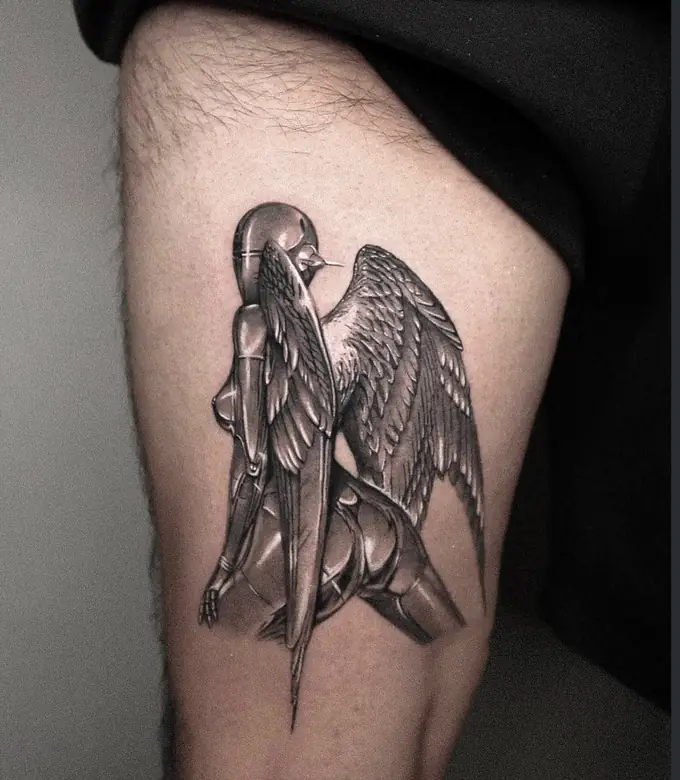
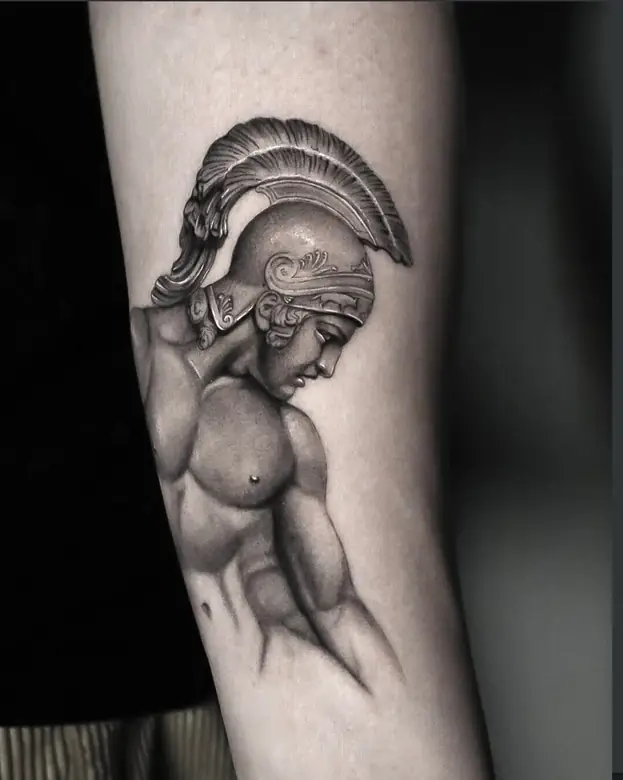
Larger realism tattoos in these spots can add up over time. The longer the machine runs in one area, the more intense it feels.
High-pain areas
These are the classic painful tattoo locations:
- Ribs and side of torso
- Spine and neck
- Hands, fingers and sides of the hand
- Feet and ankles
- Inner bicep, armpit, back of knee, inner elbow
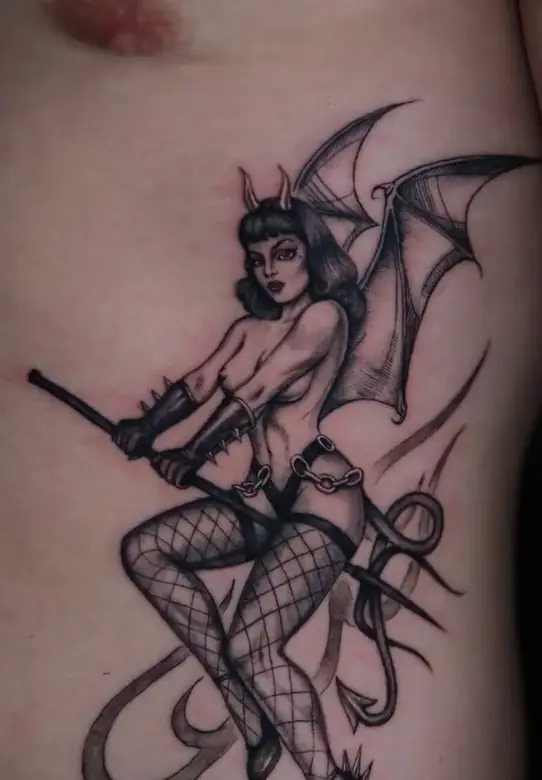
There is less cushioning, thinner skin and more nerves. A realism tattoo with heavy shading in one of these zones will feel stronger than a small fine line piece on the outer arm.
If you like visuals, think of this as a body tattoo pain chart in three bands instead of ten tiny levels. Easier, medium, and intense.
Do Men And Women Feel Tattoo Pain Differently?
You will see “tattoo pain chart female” and “tattoo pain chart male” graphics online that shade the same map slightly differently.
Reality is simpler. The main drivers I see day to day in Toronto are body size, skin thickness, and individual pain tolerance. Gender labels matter less than people think.
A female tattoo pain chart might flag the ribs and stomach as high-sensitivity zones, and a male tattoo pain chart might shade the spine and shins a bit darker. Both are still just averages.
If you are asking “will this hurt more because I am a woman?” or “do guys handle hand tattoos better?”, my honest answer is: your own body and mindset matter more than the label on the chart.
In a consult I will look at your build, your placement idea and your past experiences with pain, then give you feedback for you specifically.
Fine Line, Blackwork, Realism: Does Style Change Pain?
Style changes how long a needle stays in one area and how often it passes over the same line. That is what shifts how a tattoo feels.
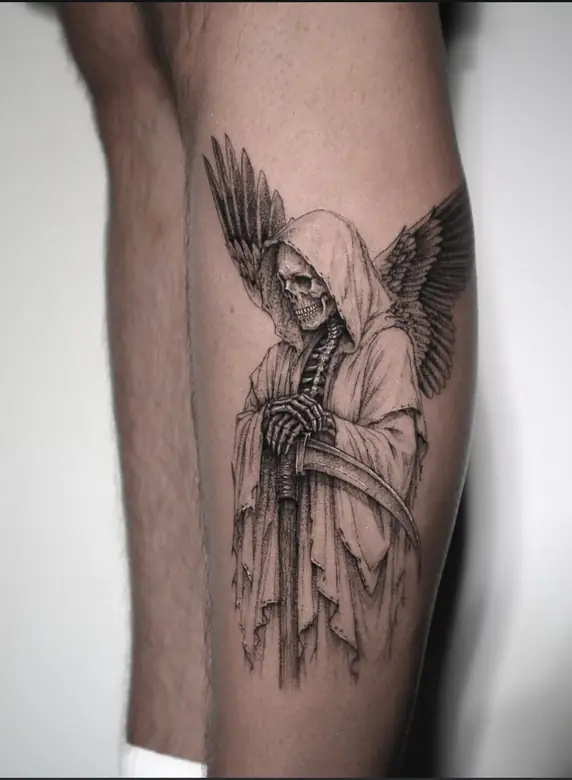
- Fine line tattoos use smaller groupings of needles and lighter passes. Many people describe fine line tattoo pain as sharp but quick, especially in lower-pain areas like the outer arm or calf.
- Dark / blackwork pieces with solid fills or heavy contrast can feel more intense, because I am packing in more ink. Think of it as turning up the volume in that spot.
- Realism tattoos often combine fine lines with areas of soft shading. The shading itself can feel like a dull burn if I stay in one area for a while.
A short session on a fine line wrist piece will feel very different from a full day of dense blackwork on your ribs, even if both sit at “7 out of 10” on a generic tattoo pain scale.
When you send me your idea, I will tell you clearly how demanding it is likely to be and whether it makes sense to split it into multiple sessions.
Numbing Cream For Tattoos: Does It Work?
Numbing cream for tattoos can reduce sensation on the surface of the skin for some people. It is not magic, and it does not remove all feeling.
The main issues I see are:
- Some products are weak or applied incorrectly, so they wear off fast.
- If the cream changes your skin texture or makes the area slippery, it can affect how the ink goes in.
If you are considering numbing cream and wondering “does it work?”, talk to me before you buy anything. I can tell you what I see in the studio, what tends to help, and what has caused problems in the past.
Either way, I will still plan the tattoo with breaks and check-ins so you are not white-knuckling your way through.
How I Help You Manage Tattoo Pain
I cannot promise you a pain-free tattoo. Nobody can. What I can do is control everything around it.
Here is how I approach it:
- Start with a consult. We talk about placement, size, style and your past experiences. If you tell me “needles freak me out”, I believe you, and I adjust the plan.
- One client at a time. I am focused on you during your booking. You can ask questions, move, and take a breath when you need it.
- Honest feedback. If you want your first piece on your ribs, I will tell you what that actually feels like and offer options. You still decide.
- Steady pace. I work at a consistent, controlled speed so you are not getting rushed lines or unnecessary passes.
Most people are surprised by how manageable it feels once the first few minutes are done and they know what to expect.
Before / After: What Changes Once You Know The Pain Scale
Before a session, most people imagine a worst-case tattoo pain scale: constant 9 or 10, no breaks, no control.
In reality, pain usually comes in waves. It might spike during a line over bone or during dense shading, then ease as I move to another area. A longer session might feel like a series of 10–15 minute pushes with pauses between them.
Your experience will be your own. But once you understand how placement, style and session length interact, the fear usually drops a level before you even sit down.
A Personal Plan For Your Tattoo Session
Every body and every piece is different.
When you book with me at 1800 Davenport Rd in Toronto, I look at:
- Your chosen placement and how it lines up with common tattoo pain areas
- The style you want: fine line, realism, or darker blackwork
- Whether it is your first tattoo or you already know your pain tolerance
- How long the session needs to be to do the work properly
From there, I recommend a plan: session length, where to start, how many breaks we should aim for, and whether a lower-pain spot makes more sense for a first piece.
You are never locked in. The consult is free, and there is no pressure to book if it does not feel right yet.