
When a new tattoo looks “off” and you start to worry
Maybe it was fine the first day. A bit red, a bit tight, like you were told. Then the redness spread. Or the skin started to feel hot instead of just tender.
You notice thicker yellow fluid instead of a light clear ooze. The outline looks angry. It hurts more instead of calming down.
You Google “infected tattoo stages” at midnight and see photos that make you feel sick. You read about antibiotics for tattoo infection and start wondering if you need them. You replay the day in your head, trying to work out if you did something wrong.
If this is you, you are not alone. I talk to a lot of people in Toronto who are scared they have an infected tattoo, or who are not sure what is normal healing versus a real problem.
I will walk you through how normal healing looks, early signs of tattoo infection to watch for, and what I do on my end to keep tattoo hygiene and safety tight every single session.
This is information. If you think you have an infection, a doctor or ER is the right place to be seen.
Normal healing vs tattoo infection: what is actually happening
Every tattoo is an open wound at first. Your body treats it like a scrape or cut. The first days are about your immune system clearing debris and starting to rebuild skin over the ink.
Normal healing often looks like:
- Redness close to the lines
- Light swelling
- Clear or slightly cloudy plasma
- Tightness and mild soreness
Day by day, that should slowly calm down. Redness pulls in toward the design. Pain eases. The skin may flake like a sunburn, then settle.
A tattoo infection is different. Bacteria get into the area and start to multiply. Instead of moving into repair mode, your body is stuck fighting off germs. That is why you see spreading redness, heat, thicker pus, and pain that ramps up instead of easing.
Antibiotics for an infected tattoo work by killing or slowing those bacteria so your body can catch up. They treat the infection. The way the ink heals is decided later, once the skin is healthy.
Tattoo infection stages vs normal healing
Everyone heals a bit differently, but there are some general patterns.
Early days: normal healing
- Red or pink around the tattoo
- Mild swelling
- Warm to the touch
- Clear or slightly milky fluid, very light
- Soreness that feels like a scrape or sunburn
This stage usually improves over time. Each day, the area should look and feel a touch calmer.
Early signs of tattoo infection
These are the red flags that make me tell someone to talk to a doctor:
- Redness spreading far past the tattoo edges
- Skin that feels hot
- Thicker yellow or green pus, especially with a smell
- Pain that spikes or throbs instead of easing
- Hardness under the skin or raised, angry streaks
System signs are even more serious: chills, feeling unwell, fever. That is no longer just a tattoo issue. That is your whole body reacting.
If you are in that zone, do not wait it out or look for home treatment for an infected tattoo. Go to a walk-in clinic, urgent care, or ER in Toronto and let a medical professional see it in person.
Antibiotics for tattoo infection: what they are (and are not) for
One of the most common searches I see is “tattoo infection antibiotics” or “which antibiotics for infected tattoo”.
A few key points:
- Only a doctor, nurse practitioner, or similar medical pro can decide if you need antibiotics for tattoo infection.
- They choose the specific drug and dose based on how it looks, your health history, and sometimes lab tests.
- Antibiotics for an infected tattoo target bacteria. They do not help with normal redness, irritation from over-washing, or an allergic reaction to ointment or bandages.
If a doctor says you need antibiotics, take the full course exactly how they explain it. Stopping early because you “feel better” can let the infection come back or make the bacteria harder to treat.
If they say it is not infected, that is good news. You can focus on proper tattoo aftercare and calming the skin instead of worrying about worst-case images online.
How I keep tattoo safety and hygiene tight in every session
You cannot control everything your body does. What you can expect from me is a clean, consistent environment every time you sit in my chair at 1800 Davenport Rd, Unit 6 in Toronto.
Here is how I think about tattoo safety:
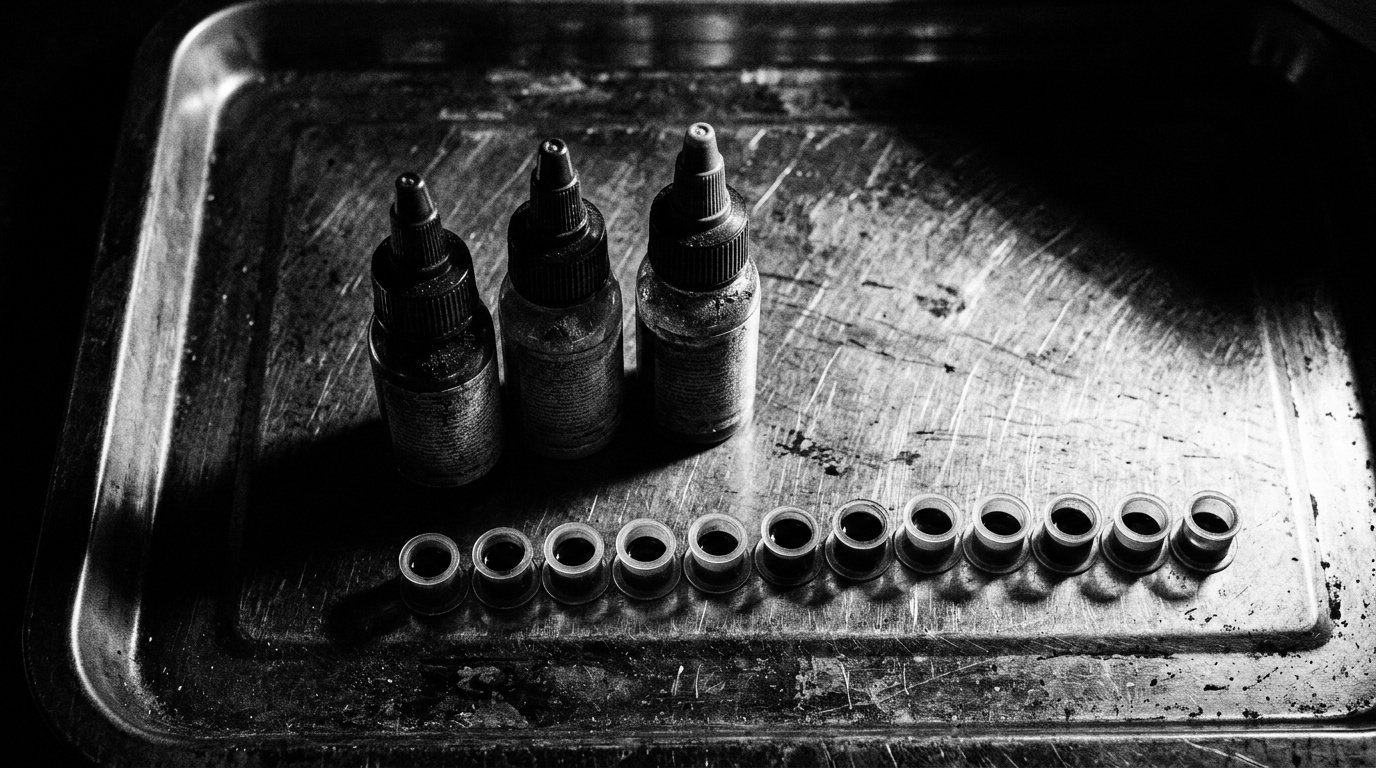
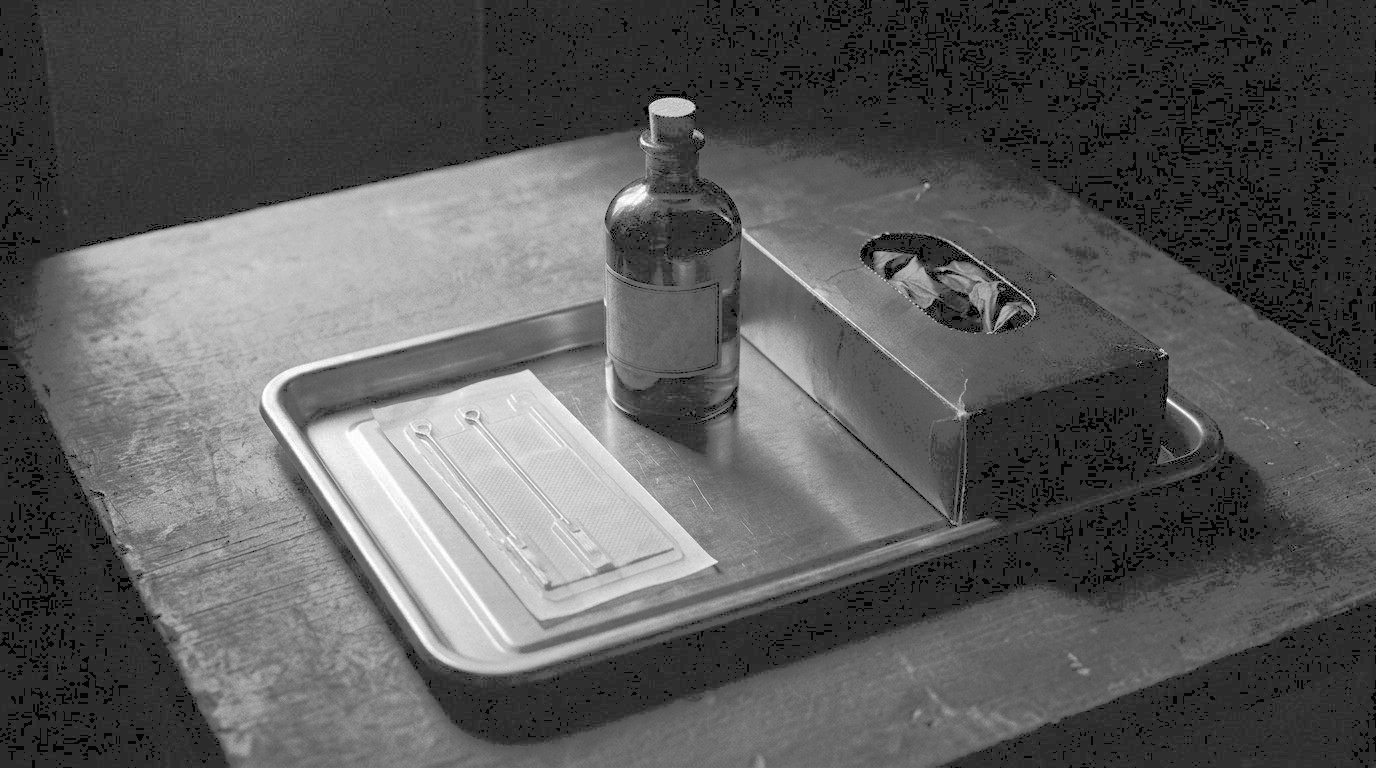
- Single-use needles and tubes. Opened in front of you, used once, then disposed of in sharps containers.
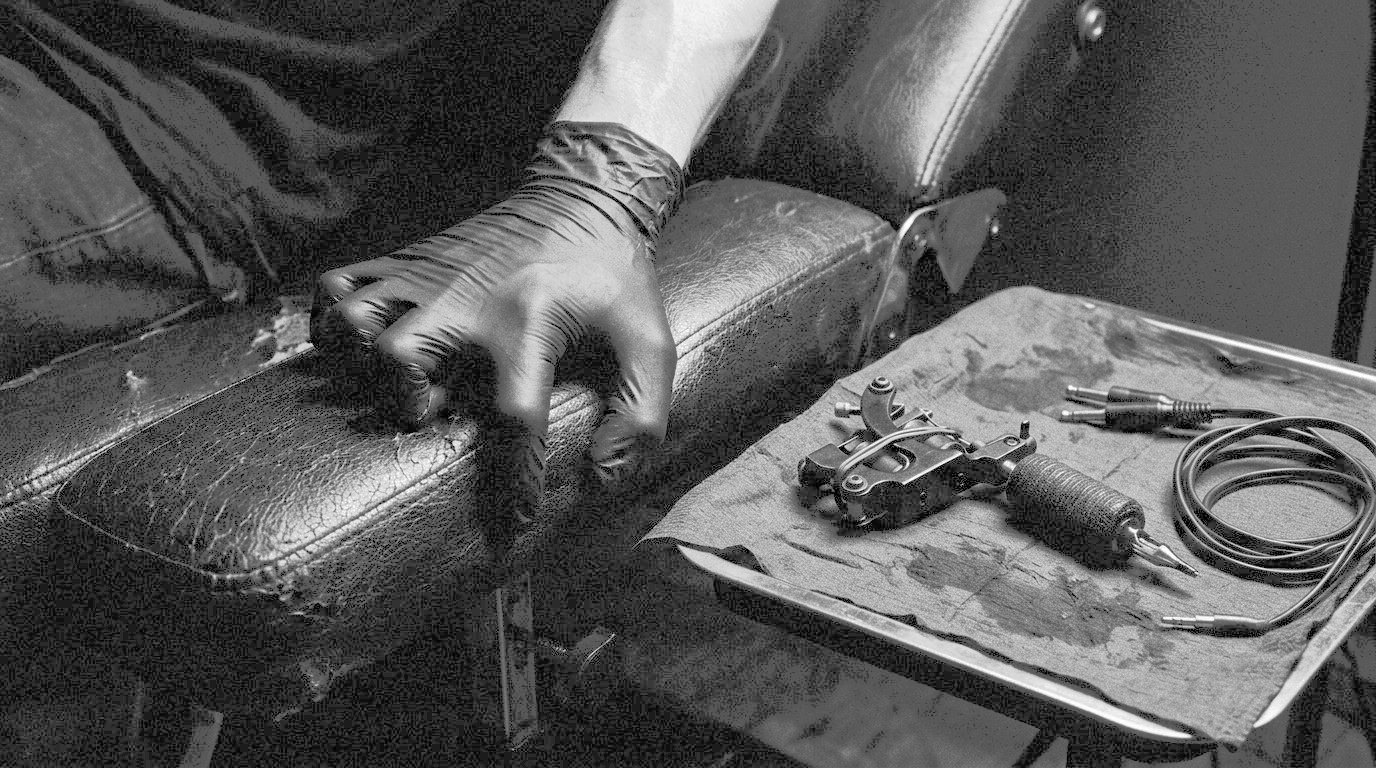
- Medical-grade barriers. Clip cords, machines, and any surface that can be touched during the tattoo are wrapped and covered.
- Gloves on, gloves off. I change gloves any time I touch something non-sterile, prep, or move around the station.
- Skin prep. I clean and prep the skin before I start, so the surface is as low-risk as possible.
- Public health inspected. I am up to date on bloodborne pathogens training and work in a space that has passed public health inspection.
Tattoo infection risk is never zero, but strict tattoo hygiene drops it a lot. That is my side of the work. Your aftercare is the other half.
Your part: how to avoid tattoo infection at home
Once you leave the chair, how you treat the piece matters.
General tattoo safety at home looks like:
- Washing your hands before touching the tattoo
- Using a gentle, unscented soap
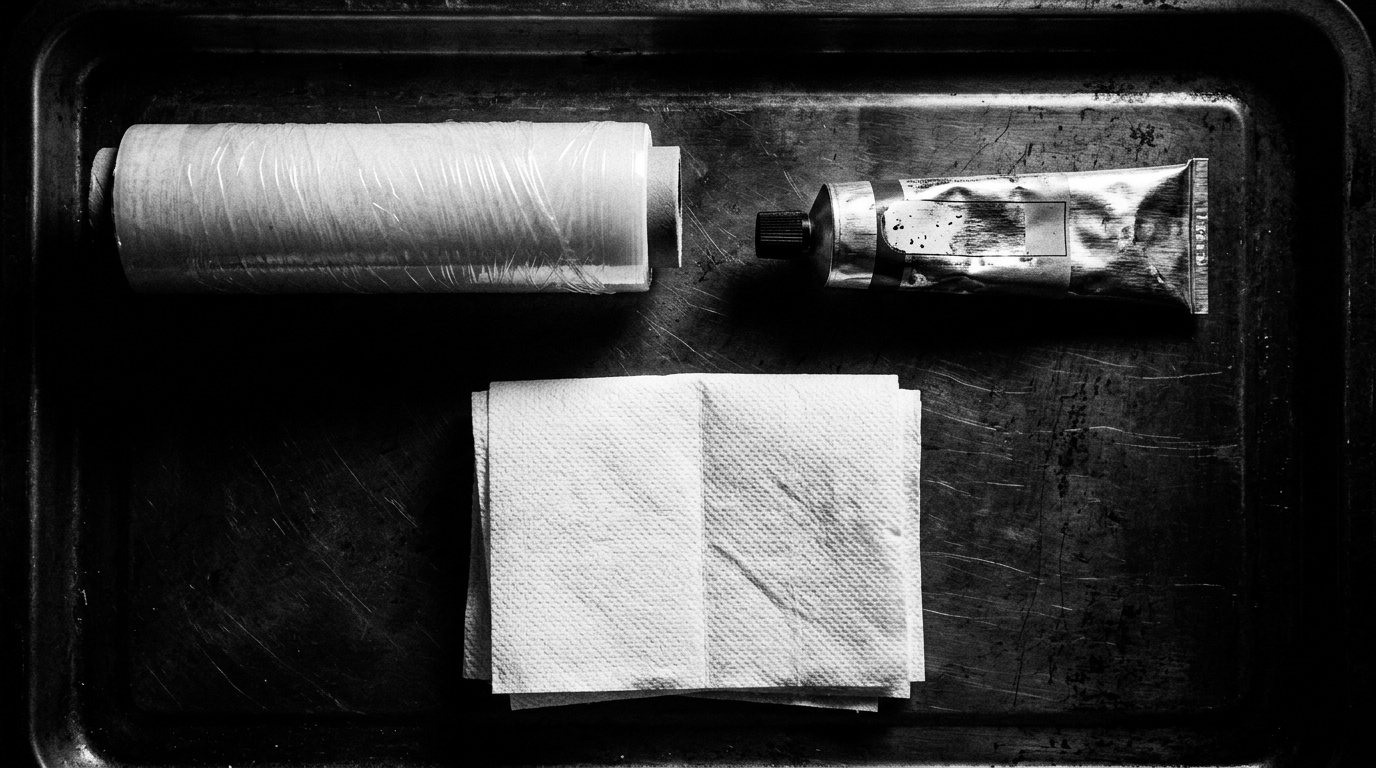
- Patting dry with clean paper towel
- Using a thin layer of the aftercare product we talked about
- Keeping pets, gym equipment, dirty sheets, and unwashed clothes away from the area
- Avoiding soaking (baths, pools, hot tubs) until we say it is okay
Too much cleaning, too many products, or picking at flakes can also irritate the skin. More is not always better.
If something feels off, send me a clear photo by email or Instagram before you start changing products or routines. Sometimes what looks scary online is actually a normal part of peeling. Other times it really does need a doctor, and I will tell you that straight.
When to call a doctor vs when to message me
A simple way to think about tattoo infection vs normal healing:
- If the tattoo is a bit red, tight, or itchy, and it is slowly improving, message me.
- If you see spreading redness, heat, thick pus, streaks, or feel sick, go to a doctor or ER in Toronto as soon as you can.
You do not need my permission to get checked. I am your tattoo artist. A physician is the one who diagnoses and treats infections.
If a doctor treats you with antibiotics for tattoo infection, let me know after. Once your skin is fully healed and clear, we can talk about any touch-up if the infection affected the ink.
How I help if your tattoo does get infected
If a piece I did does become infected, here is how I handle it:
- I ask for clear photos and a short description of what you are seeing and feeling.
- If it looks like a real infection, I tell you to see a medical professional.
- Once your treatment is done and the skin has fully calmed, you can book a quick check-in.
- We look at how the ink healed and, if needed, talk about a tattoo touch-up or refresh.
I offer free touch-ups on my own work within one month for normal healing issues. If an infection forced you onto antibiotics and changed the skin, we will talk through what is realistic and what the skin will allow going forward.
The point is simple: you are not left guessing on your own.
Every tattoo starts with a safety and aftercare chat
Before any needle hits skin, I do a quick consult. In person or by video, we cover:
- Where you want the tattoo and how that area usually heals
- Any health conditions or medications you want me to know about
- What to expect the first night, first week, and beyond
- Tattoo safety basics specific to your piece
You leave with written aftercare instructions. If you are already booked with me at Mitch Bold Tattoos in Toronto and you are worried about infection, bring it up. There is no such thing as a stupid question here.
Tattoo infection & safety FAQ
How do I know if my tattoo is infected or just healing?
An infected tattoo usually has spreading redness, heat, thicker yellow or green pus, and pain that keeps building. Normal healing redness stays close to the design and slowly calms down. If you are unsure, send me a photo and see a medical professional in Toronto if it looks angry or you feel unwell.
What are the stages of a tattoo infection?
It often starts with extra redness and swelling, then moves to heat, thicker pus, and more pain. In more serious cases, you can see red streaks, hardness under the skin, or feel feverish. Those are signs to seek urgent care instead of changing your aftercare routine.
What antibiotics are used for an infected tattoo?
The type of antibiotics for infected tattoo cases is decided by a doctor or nurse practitioner. They choose based on how the area looks, your health, and sometimes lab tests. If you are in Toronto and worried, a walk-in clinic or ER is the right place to get that call made.
Can I treat a tattoo infection at home?
You can keep the area clean and follow the aftercare I gave you, but you should not try to handle a real infection at home. Treatment for infected tattoo skin almost always needs a medical professional to see it in person and decide on antibiotics or other care.
What should I do if I think my tattoo is infected?
If you see early signs of tattoo infection like spreading redness, heat, thick discharge, or you feel unwell, go to a doctor or emergency department. After you have been seen, you can update me so we can plan next steps for the tattoo once your skin has healed.
How can I avoid getting a tattoo infection?
Choose an artist who takes tattoo hygiene seriously, then follow aftercare closely. At Mitch Bold Tattoos in Toronto I use single-use needles, barriers, and proper skin prep. At home, wash your hands, use gentle soap, avoid soaking, and keep the area away from dirt, sweat, and pets.
Is it normal for a new tattoo to be red and sore?
Yes. Some redness, swelling, and soreness are part of normal healing. The key is that it should slowly improve. If your tattoo suddenly gets more painful, more red, or starts oozing thick pus, that moves into tattoo infection vs normal healing territory and needs a doctor’s eye.
Will antibiotics ruin my tattoo?
Antibiotics for tattoo infection are aimed at the bacteria. The infection and how your skin responds can affect how the tattoo heals, so it is important to get checked early if you are worried. Once you are better, we can look at the tattoo together and talk about a touch-up if needed.
Can I still get tattooed again if I’ve had an infected tattoo before?
In most cases, yes. Once your skin has fully healed and your doctor is happy with it, you can book again. When you come to Mitch Bold Tattoos in Toronto, tell me about the past infection so we can plan placement, aftercare, and timing with extra care.
When you are ready, I am here to answer questions and make a plan that feels safe and clear.