When a Tattoo Heals Into a Scar Instead of Smooth Ink
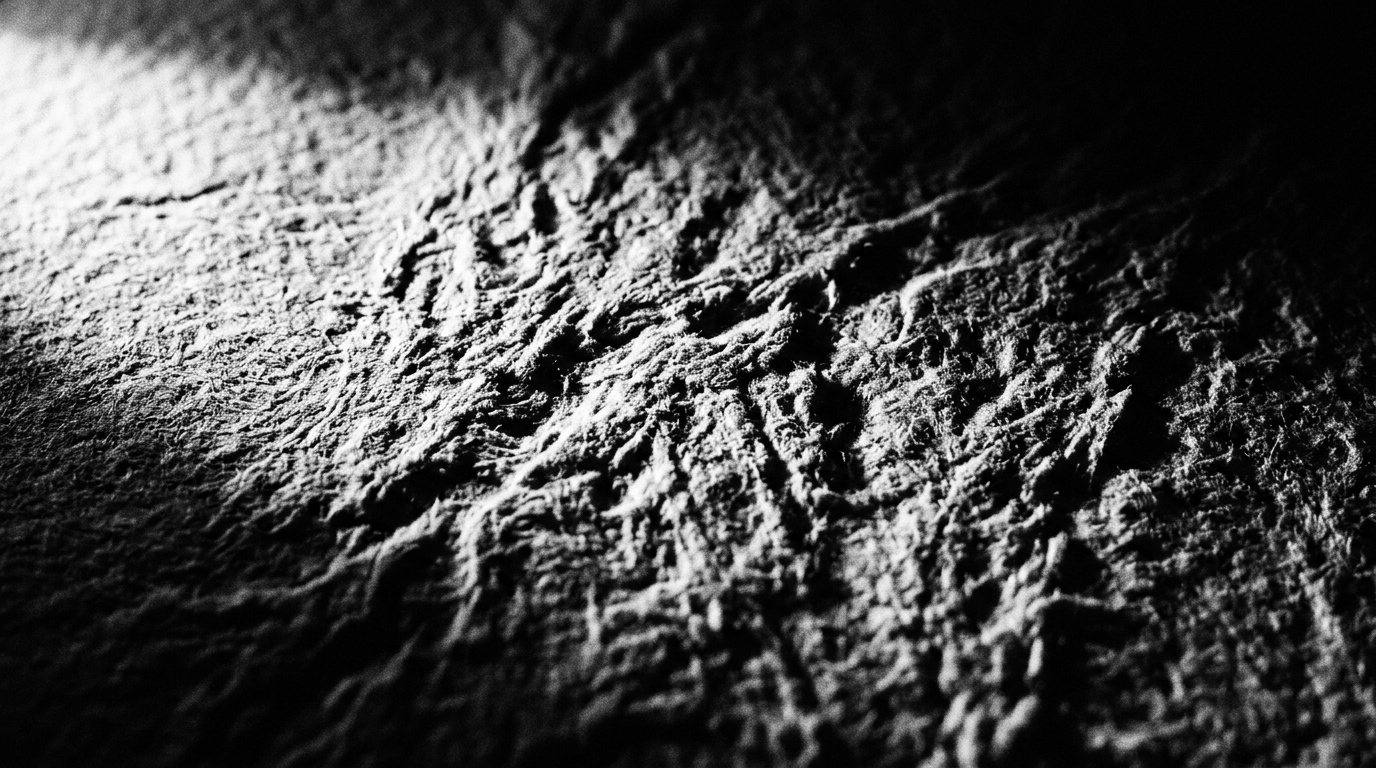
You expected the lines to settle in and look sharper with time. Instead, you are running your fingers over raised texture around the ink. Certain spots look shiny, bumpy or almost ropy under the skin.
Maybe the tattoo looked fine at first, then a few weeks later you noticed little ridges in the lines. Maybe the colour seems patchy where the skin scarred. You might be wondering if this is normal healing or if your tattoo is now a permanent tattoo scar.
You have probably searched photos of keloid tattoo scars, hypertrophic scars and “blowouts,” trying to match what you see on your own skin. You might even feel a bit embarrassed to show it, or nervous about booking your next piece in case it happens again.
You are not overreacting. Tattoo scarring is real, it can change how a tattoo looks, and it can be prevented and managed with the right approach.
Tattoo Scarring Causes: What Is Actually Happening in the Skin
A tattoo works by placing ink in the dermis, the layer of skin under the surface. When that layer is damaged too much, your body lays down extra collagen as it heals. That extra collagen is what forms a scar.
Tattoo scars can show up when:
- The skin is overworked in the same area, with too many passes of the needle
- The needle goes too deep, past the ideal layer for clean lines
- The skin is traumatised by aggressive wiping or stretching
- You pick, scratch or peel scabs during healing
- Infection or a strong allergic reaction inflames the skin
- You are personally prone to thicker scars or keloids
Keloid tattoo scars are a step beyond normal scarring. Instead of stopping when the wound closes, the scar tissue keeps growing, creating a raised, sometimes itchy area that can spread past the original tattoo lines. Not everyone can get keloids, but if you are prone to them, any skin trauma, including a tattoo, can trigger that response.
Most tattoo scars are hypertrophic scars, which stay inside the lines of the tattoo but feel raised or rigid. Both types change how the ink looks because scar tissue does not hold pigment the same way healthy skin does.
What Tattoo Scars Look and Feel Like
Tattoo scars do not all look the same. Common signs include:
- Lines that feel raised or rope-like to the touch
- Shiny, tight-looking patches of skin in or around the ink
- Little dips or pits where the skin healed unevenly
- Thick, expanding bumps around a keloid-prone area
- Persistent redness or itch long after a normal heal
Sometimes you only see the scarring when the light hits at an angle. Other times you feel it before you really see it.
If you are not sure whether your tattoo is scarred or just still healing, it helps to have someone who looks at tattoos every day take a close look in person.
Can a Tattoo Artist Fix a Scarred Tattoo?
I cannot remove tattoo scars or treat medical skin conditions. That is a doctor’s job.
What I can do, as a tattoo artist in Toronto, is:
- Help you understand what kind of scarring you are dealing with
- Tell you honestly whether more ink will likely sit well in that area
- Suggest design choices that work with your skin and its movement
- Avoid overworking fragile or scar-prone areas in future pieces
Scar tissue can make new ink heal patchy or blur quickly. Sometimes that means leaving a scarred area alone and building the design around it. Other times, once the scar is fully matured and calm, a careful touch-up or new piece can help soften how noticeable it looks.
I do not work over fresh or unstable scars. But if you already have tattoo scars and want to plan your next piece, I will walk you through what is realistic for your skin.
How I Work to Reduce Tattoo Scarring Risk
You cannot change your skin type, but you can control how gently the skin is treated.
In my own work at Mitch Bold Tattoos, I focus on:
A lighter, controlled hand
Fine line and realism tattoos need precision. I build lines and shading with controlled passes instead of grinding into the skin. That reduces trauma and lowers the chance of raised, scarred lines.
Clean, consistent technique
I pay attention to:
- Needle depth suited to the body area
- How the skin responds in real time
- Not going back over the same spot more than needed
If an area starts to look angry or overworked, I stop and adjust the plan. I would rather do a small touch-up later than push the skin too far in one sitting.
One client at a time
I book one person per session and keep the pace steady and focused. When I am not rushing, I can keep a closer eye on how your skin is handling the work and where to ease off.
What You Can Do to Help Prevent Tattoo Scarring
Some causes of tattoo scars sit with the artist. Others sit with aftercare and how your body heals.
Here is what usually helps:
- Follow the aftercare instructions you are given, step by step
- Keep the area clean and lightly hydrated
- Do not pick, peel or scratch any scabs or flaking skin
- Avoid tight clothing rubbing on a fresh tattoo
- Stay out of pools, hot tubs and lakes until the skin is sealed
- Let me know if you have a history of keloid scars before we start
If you already know you are prone to keloids, talk to a doctor or dermatologist before getting tattooed. They can tell you honestly how safe a tattoo is for your skin and where to avoid.
If I think your risk of tattoo scarring is high for a certain placement or size, I will say so. No tattoo is worth damaging your skin.
How I Talk Through Scarring Risk in a Consultation
Before any booking, I offer a free 10–15 minute consult, in person or by video. If you are worried about tattoo scars, we use that time to:
- Look at your existing tattoos and any scars you already have
- Talk about your healing history and any keloid tattoo concerns
- Choose placements that are kinder to your skin and movement
- Decide if fine line, realism or darker blackwork fits best for you
If you plan a large piece or sleeve, I break it into sessions so the same patch of skin does not get overloaded in one day. That gives your body a better chance to heal cleanly.
You leave the consult knowing what I can and cannot safely do on your skin. You are never pushed into a design or placement that worries you.
If You Think Your Tattoo Is Scarred Now
If you are in Toronto and feel like your tattoo is scarred or “raised weird,” you do not have to guess online.
You can:
- Email me clear, well-lit photos at different angles
- Or book a short consult so I can see the skin in person at 1800 Davenport Rd, Unit 6
If what I see looks like an infection, active allergy or a medical issue, I will tell you to see a doctor first. If it looks like stable scarring, we can talk about what it means for future work and how to plan around it.
Tattoo Scarring FAQ
What causes tattoo scarring in the first place?
Tattoo scarring happens when the skin is damaged more than it needs to be and responds by laying down extra collagen. That can come from heavy-handed tattooing, going too deep, infection, picking at scabs or your own tendency to scar. In my Toronto studio space I work light and controlled to reduce that risk.
When does tattoo scarring usually show up?
You normally start to notice tattoo scarring after the first heal, once the flaking and peeling are done. Raised lines, shiny patches or rigid texture that stay for months can be signs of a tattoo scar. If you are unsure, you can book a quick consult with me so I can look at it in person.
How can I tell if my tattoo is just healing or actually scarred?
Normal healing tattoos can look dull, flaky and a bit bumpy at first but smooth out with time. Tattoo scars stay raised, rigid or shiny and do not settle down once healing is complete. If you are in Toronto, I can look at your tattoo and walk you through what I see.
Are keloid tattoos safe if I know I get keloids?
If you already form keloid scars, any tattoo carries extra risk. A tattoo is controlled skin trauma and could trigger another keloid, especially on the chest, shoulders or upper arms. I always suggest you speak with a doctor or dermatologist before booking, and I will be honest if I think a placement is too risky.
Can you fix a tattoo scar or keloid by tattooing over it?
I cannot remove or treat tattoo scars or keloids. Some stable, flat scars can be tattooed over carefully, but thick or active scars often do not take ink well. In my own work I prefer to design around heavy scar tissue rather than fight against it.
How do I prevent tattoo scarring after my appointment?
The best way to help prevent tattoo scarring is gentle, consistent aftercare. Keep the area clean, follow the instructions, avoid scratching or picking, and protect the tattoo from friction and dirty water. If you book with me, I send you home with clear aftercare steps so you are not guessing.
Is it normal for a healed tattoo to feel slightly raised?
Some areas of the body and some older tattoos can feel a little raised from time to time. Weather, heat and blood flow can change how a tattoo feels day to day. If the raised feeling is new, painful or spreading, it is worth getting it checked by a doctor and then by someone like me for the tattoo side.
Does fine line tattooing scar less than bold traditional work?
Fine line work uses smaller configurations and a lighter approach, which can be gentler on the skin when done well. Big, solid colour packing needs more passes and can stress the skin more. My focus on fine line, realism and blackwork in Toronto is partly because they suit my style and partly because I like the control they give over skin trauma.
What should I do if I think my new tattoo is infected?
If you see spreading redness, warmth, pus, streaks or you feel unwell, that needs medical attention. Go to a doctor or clinic first and get it checked. Once the infection is under control, you can contact me and we can talk about what it means for the tattoo and any future work.
When you are ready to plan a tattoo with scarring risk in mind, start with a free consult. We will look at your skin, talk through the options and build something that respects both the art and your body.